

Blog
Dr. Eakin’s Blog

BPC-157 and Brain Health: What We Know, What We Don’t, and Why the FDA Is Paying Attention
BPC-157 is one of the most talked-about peptides in regenerative wellness, with growing interest in its potential effects on inflammation, gut-brain health, tissue repair, and nervous system support. But while early research is intriguing, BPC-157 is not FDA-approved for human clinical use, and the FDA is actively reviewing safety and quality concerns related to compounded peptides. This article explores what we know, what we do not know, and why a cautious, whole-body approach to brain health matters.
The Women’s Health Shift: Why Hormones Are Only Part of the Story
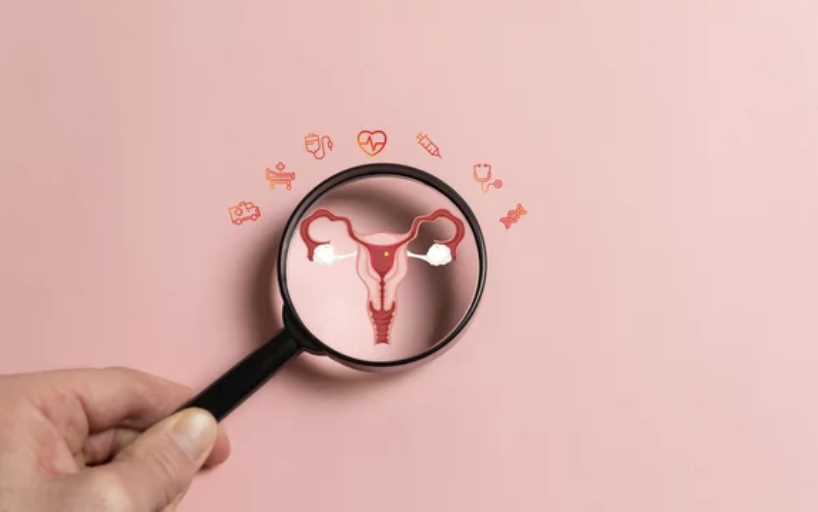
Women’s symptoms are often connected across hormones, gut health, stress, trauma, toxins, nutrition, inflammation, and sleep. Learn why whole-person women’s health matters.

The Truth Behind “High Concentration” Claims in Skincare. What is they hype?
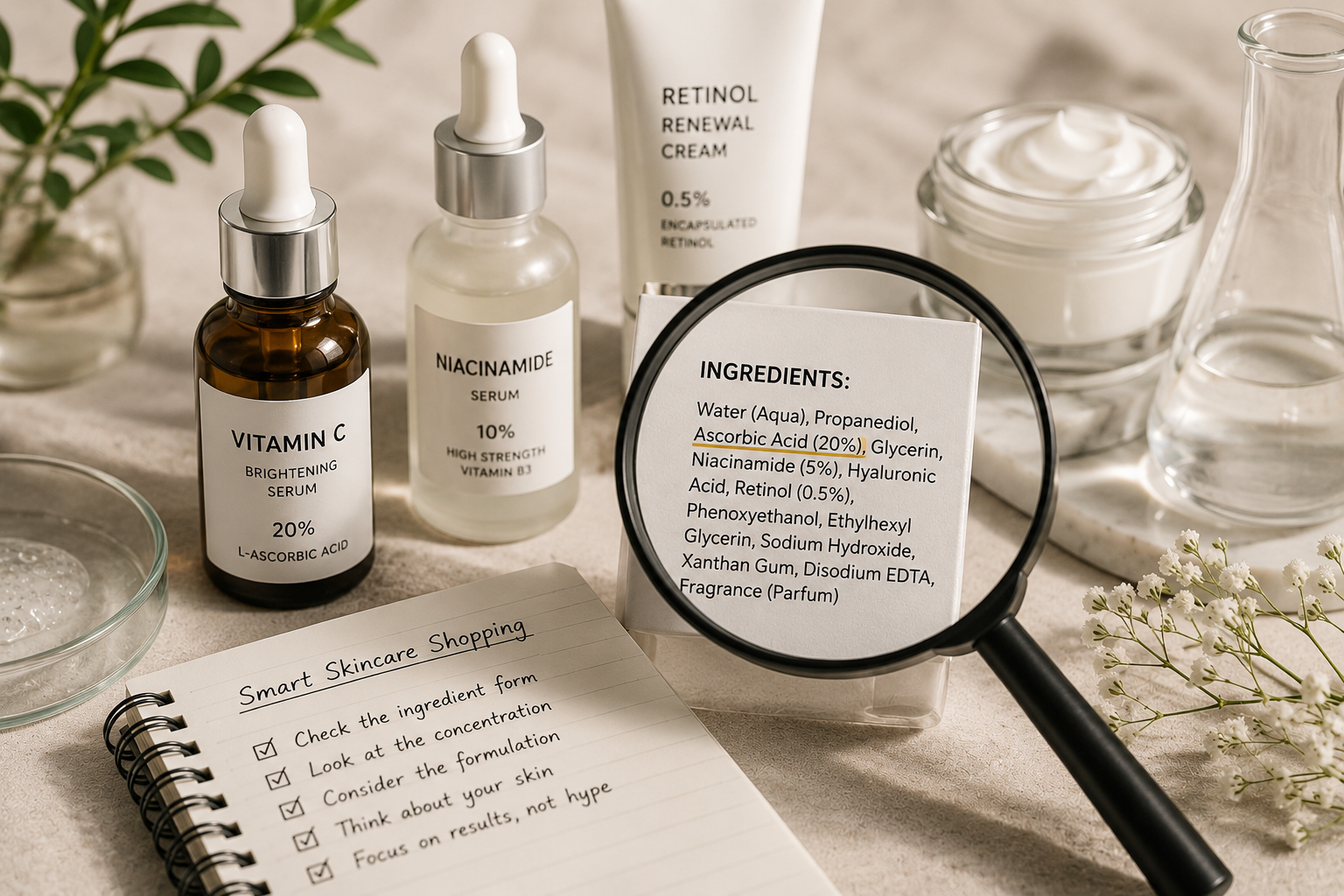
A high percentage on a skincare label does not always mean better results. From Vitamin C and retinol to niacinamide and hyaluronic acid, the ingredient form, stability, delivery system, and skin tolerance matter just as much as the number on the bottle.

5 Skincare Must-Haves for Healthier, Glowing Skin
A great skincare routine does not need to be complicated. From a gentle cleanser and barrier-supporting moisturizer to vitamin C, sunscreen, and one targeted active product, these five skincare must-haves can help support healthier, brighter, more radiant-looking skin.
The Gut-Sleep Connection: Could Your Gut Health Be Affecting Your Sleep?
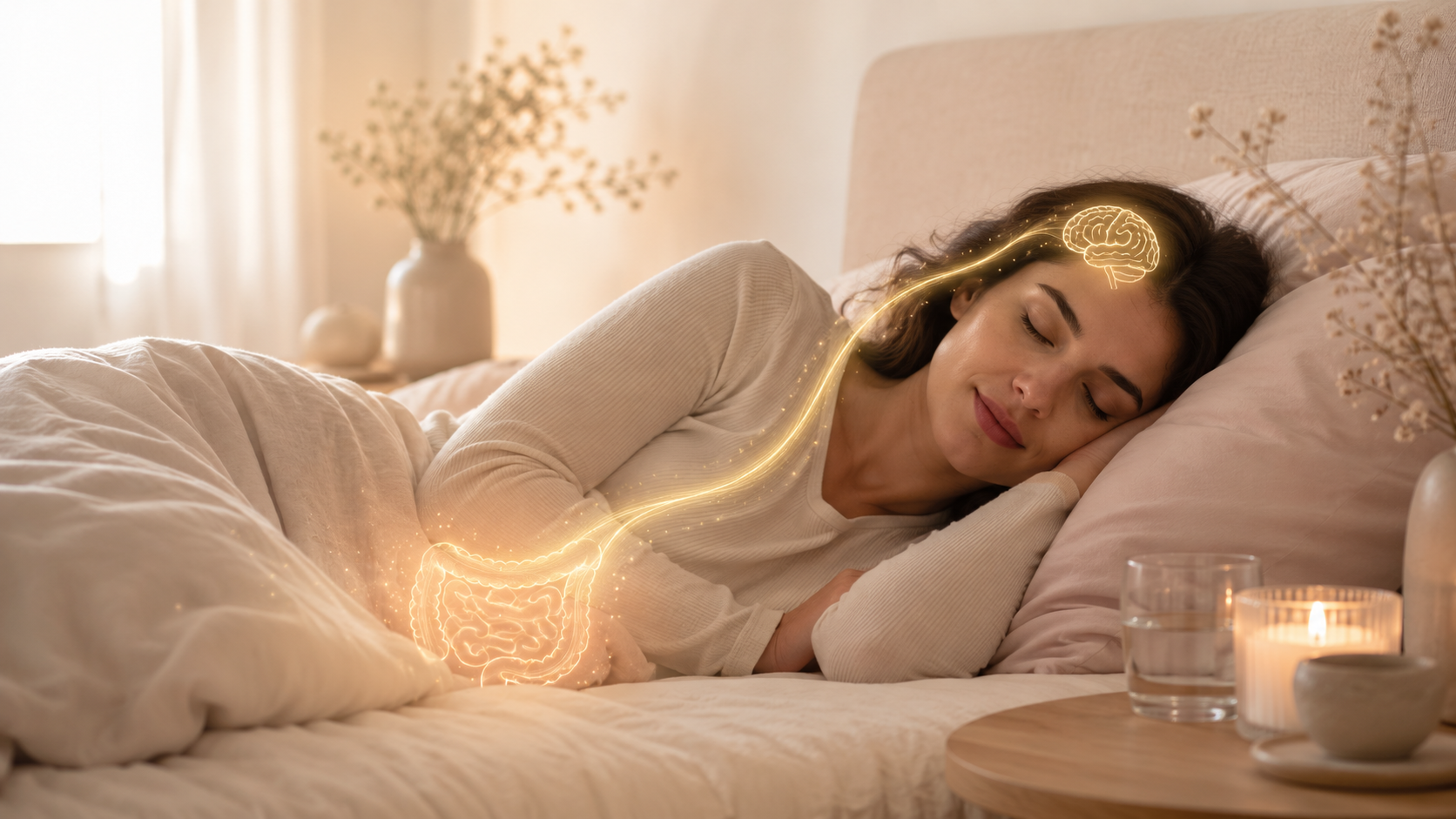
Struggling with sleep despite doing “all the right things”? Emerging research suggests the gut microbiome may influence sleep through inflammation, stress signaling, neurotransmitter pathways, and circadian rhythm regulation. Here’s what to know about the gut-sleep connection.
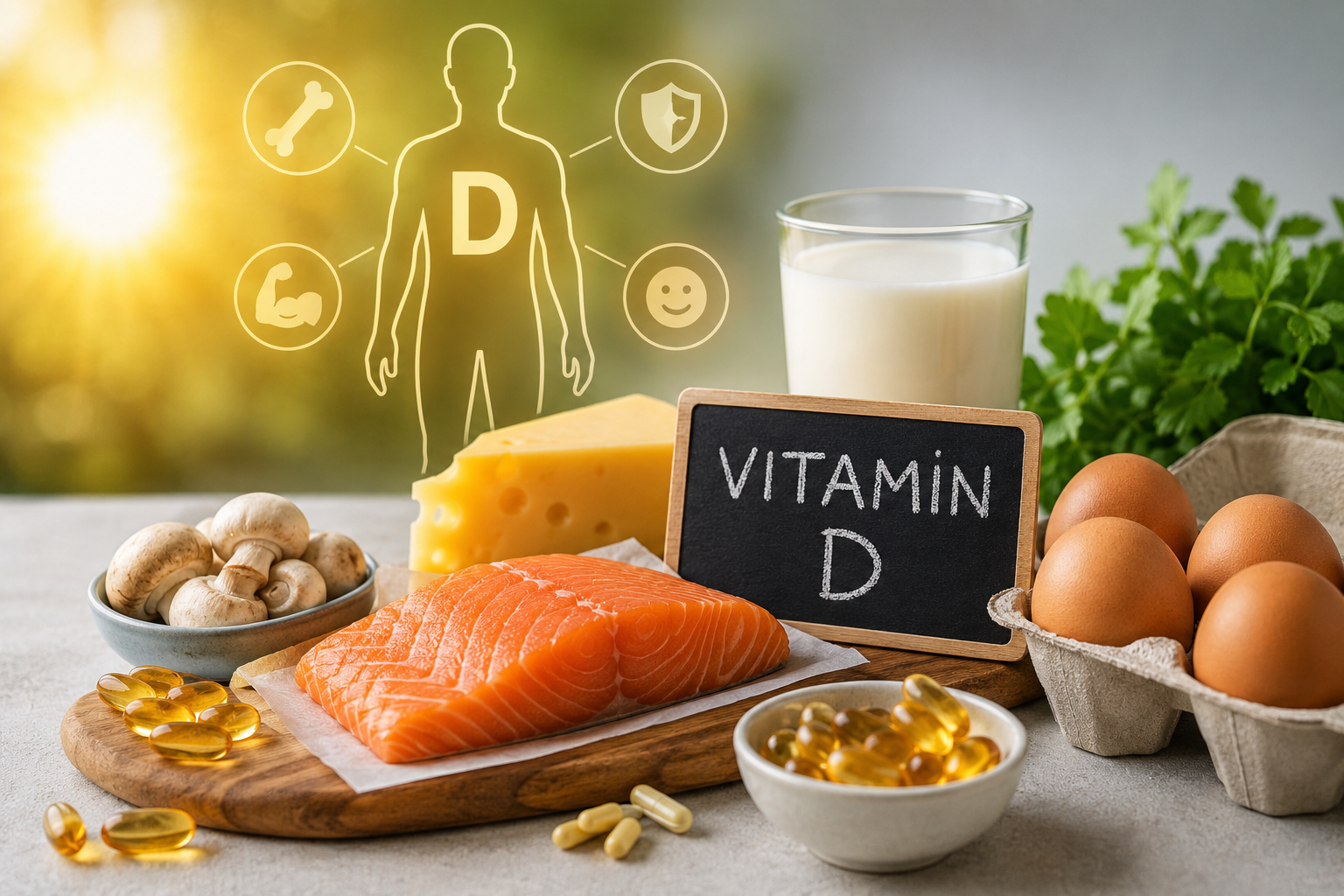
The Link Between Vitamin D and Obesity: What You Need to Know
Vitamin D is not a magic weight-loss solution, but low levels may affect energy, mood, inflammation, muscle function, and metabolic health. Learn why people with higher body weight are more likely to have low vitamin D and when testing may be helpful.

5 Skincare Mistakes That Can Make Acne Worse
Struggling with breakouts despite your skincare routine? These five common skincare mistakes may be irritating your skin, clogging pores, and making acne worse.

The FDA Is Reconsidering Popular Peptides—What This Means for You
Peptides have become one of the most talked-about tools in wellness, longevity, and aesthetics—but the FDA is now taking a closer look. In this post, we break down what these regulatory changes mean, the risks to be aware of, and how to approach peptide therapy safely and thoughtfully.

The Hormonal Changes That Show Up in Your Mirror
Sometimes the first signs of hormonal imbalance do not appear in a lab result—they appear in the mirror. From skin changes and hair thinning to puffiness, fatigue, and weight shifts, this post explores what your reflection may be telling you about your hormones and overall well-being.

Aging Well vs Chasing Youth
What if the goal is not to look younger, but to look well? In this editorial-style post, we explore the difference between aging well and chasing youth—and why modern beauty is shifting toward a more holistic, refined, and sustainable approach.

Why the Future of Beauty Is More Holistic
Discover why the future of beauty is more holistic—blending aesthetics, wellness, hormones, skin health, and confidence for a more radiant, personalized approach.

A Long-Term Approach to Hormonal Wellness
Hormonal health is not a one-time fix—it is an ongoing process of listening, adjusting, and supporting your body over time. In this final post of the series, we explore how to maintain your progress, adapt your care, and stay connected to your long-term wellness goals.

Daily Habits That Help Support Hormone Balance
Learn how nutrition, sleep, movement, stress management, and supplements can naturally support hormone therapy and help improve long-term results.
The Hormone Connection: Weight, Mood, and Energy Explained
If you are eating well and doing all the “right” things but still struggling with weight changes, fatigue, or emotional ups and downs, hormones may be the missing piece. In this post, we break down how hormone balance affects metabolism, mood, and energy—and why it matters for quality of life.
Beginning Hormone Therapy: A Guide to the Early Stages
Starting hormone therapy can feel exciting, empowering, and a little uncertain all at once. This guide walks you through the early stages of treatment, including lab testing, delivery methods, follow-up care, and the changes many patients begin to notice in the first several weeks.
Hormone Therapy 101: A More Personalized Path to Balance
If you have been feeling tired, foggy, or unlike yourself, hormones may be playing a bigger role than you realize. In this introduction to hormone therapy, we explore what it is, who may benefit, and how a personalized approach can help restore balance, vitality, and a greater sense of well-being.

The Nervous System’s Role in Beauty and Aging
Beauty is not only shaped by skincare and treatments—it is also influenced by the state of the nervous system. This post explores how stress, facial tension, sleep, inflammation, and emotional regulation can affect beauty and aging from the inside out.

Diets That Can Help Reduce Anxiety: Feeding a Calmer Nervous System
What if calming your anxiety starts in your kitchen, not your medicine cabinet? The foods you eat directly influence blood sugar stability, inflammation, gut health, and neurotransmitter production—all key drivers of how calm or reactive your nervous system feels. Before assuming anxiety is “just stress,” discover how strategic nutrition may help regulate your mood from the inside out.

Scalp Health: The Foundation of Hair Restoration
Why healthy hair always starts at the scalp
When patients seek help for thinning hair or hair loss, the conversation often focuses on the hair itself—density, shedding, or regrowth. But in reality, hair health begins at the scalp. Just as healthy soil is essential for strong plant growth, a balanced, well-nourished scalp is critical for healthy, resilient hair.
BPC-157 is one of the most talked-about peptides in regenerative wellness, with growing interest in its potential effects on inflammation, gut-brain health, tissue repair, and nervous system support. But while early research is intriguing, BPC-157 is not FDA-approved for human clinical use, and the FDA is actively reviewing safety and quality concerns related to compounded peptides. This article explores what we know, what we do not know, and why a cautious, whole-body approach to brain health matters.