
The Black Box Is Gone: A New Era for Hormone Therapy
What the FDA’s Latest Update Means for Your Health, Longevity, and Wellness
For decades, hormone therapy carried fear, confusion, and a bold “black box warning” that gave many women pause. Patients were told it increased the risk of heart disease, breast cancer, and dementia—often without nuance or personalization.
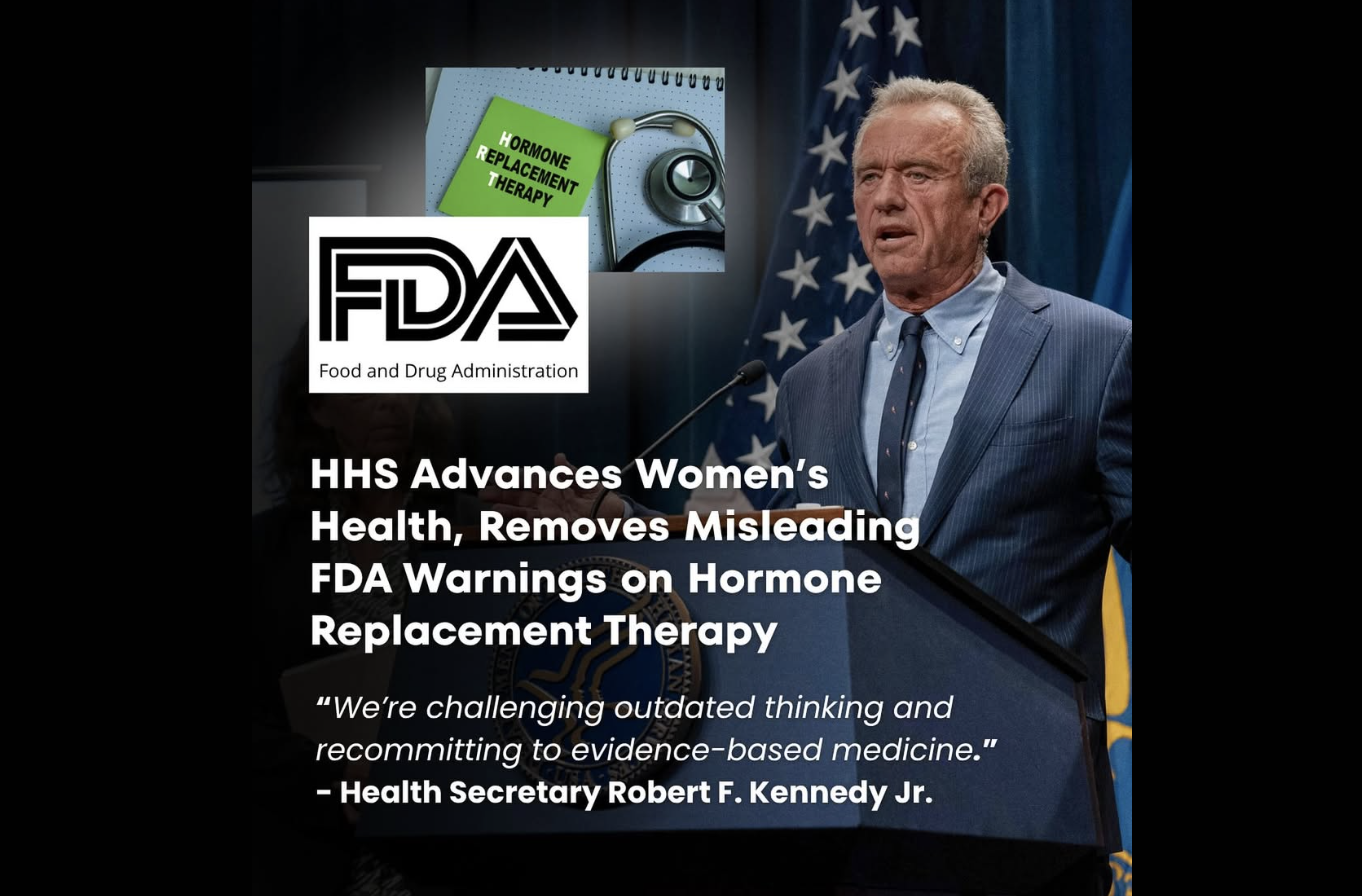
Now, in a major shift, the FDA has officially updated hormone therapy labeling, removing the long-standing black box warning from most menopausal hormone therapy products.
So what does this actually mean?
Is hormone therapy suddenly “safe”?
And how should this change your decision-making?
Let’s break it down clearly and responsibly.
What Changed With the FDA Update?
The FDA recently announced that it will remove the generalized black box warning from most estrogen and estrogen-progestin hormone therapy products used to treat menopause symptoms. The risks previously highlighted on the black box label — cardiovascular disease, breast cancer, and probable dementia — will be removed for most formulations. This change reflects decades of newer research that better clarifies who benefits most from hormone therapy—and when.
This does not mean that hormone therapy is risk-free. What it does mean is that:
The original warnings were based largely on older studies from the early 2000s
Those studies primarily included older women, many years past menopause
Modern data shows that age, timing, formulation, and individual health status matter greatly
In other words, the FDA is now aligning labeling with current, more precise science.
Why This Change Happened — What’s Changed in the Science
The original black box warnings were based largely on data from the early 2000s, particularly from the Women’s Health Initiative (WHI), which suggested that oral hormone therapy increased risks of breast cancer, cardiovascular disease, and dementia.
Over time, researchers and clinicians noted important limitations: the WHI study population was older (on average in their 60s), and many used formulations no longer common, or started therapy long after menopause.
Since then, new analyses — particularly among women who start hormone therapy earlier in menopause — have demonstrated a different risk–benefit profile. Recent data suggest potential long-term benefits, such as reduced bone fractures, improved cardiovascular and brain health, when therapy is started appropriately.
In light of this evolving evidence, the FDA convened expert review and public comment, ultimately deciding to update labels to reflect current science rather than decades-old blanket warnings.
What This Means for Patients — More Clarity & Personalized Care
For many people — especially those in their 50s and early 60s — this update may remove a major psychological and informational barrier to considering hormone therapy. Key implications:
🩺 More options: Women who avoided HRT due to fear of cancer or heart disease may now re-evaluate with accurate information.
🧑⚕️ Shared decision-making: Rather than blanket fear, treatment decisions can be tailored based on age, health history, symptoms, and personal risk factors.
💬 Better conversations: Providers and patients can discuss benefits — such as relief from menopause symptoms (hot flashes, night sweats, vaginal dryness, sleep issues), bone health, and possibly heart or cognitive health — with clearer guidance.
As experts at The American College of Obstetricians and Gynecologists (ACOG) and other women’s-health organizations note, this shouldn’t mean “everyone gets HRT,” but it does broaden safe, evidence-based access for those who may benefit.
What Still Matters — Risks Are Not Zero
It’s important to understand: removing the black box warning is not the same as saying “HRT is risk-free.”
For estrogen-only therapies in women with a uterus — the risk of endometrial cancer remains if not balanced with oral progesterone, and that boxed warning is staying.
Not all hormone therapy formulations are the same — oral pills may carry different risk profiles than low-dose vaginal estrogen or localized treatments.
Timing, dosage, and individual health history remain central: starting therapy closer to menopause onset, under age 60, tends to align with currently understood benefit/risk balance.
Personal and family history of breast cancer, cardiovascular disease, and/or blood clots, must always be considered carefully
As with any medical therapy, ongoing monitoring and individualized evaluation remain critical — there is no “one-size-fits-all.”
What This Means for Aesthetic & Wellness Medicine
At Total Illusion Aesthetic & Wellness Center, we see hormone balance as foundational—not just for internal health, but also for:
Skin quality and elasticity
Hair health
Energy and vitality
Weight regulation
Mood and emotional resilience
Sleep quality
Bone and muscle integrity
This FDA update supports what we already practice:
✅ Individualized hormone evaluations
✅ Personalized treatment planning
✅ Conservative, physiologic dosing
✅ Ongoing lab monitoring
✅ Thoughtful long-term risk assessment
We don’t treat hormones as a trend—we treat them as a medical therapy that deserves precision, respect, and careful follow-up.