Understanding Hair Loss: Why It Happens & How We Treat It Holistically
Because your hair is a reflection of your internal health, not just your genetics.
Hair loss affects millions of women and men, yet it remains one of the most emotionally charged concerns patients bring to our practice. Hair is more than just a physical feature—it’s tied to our identity, confidence, and sense of well-being.
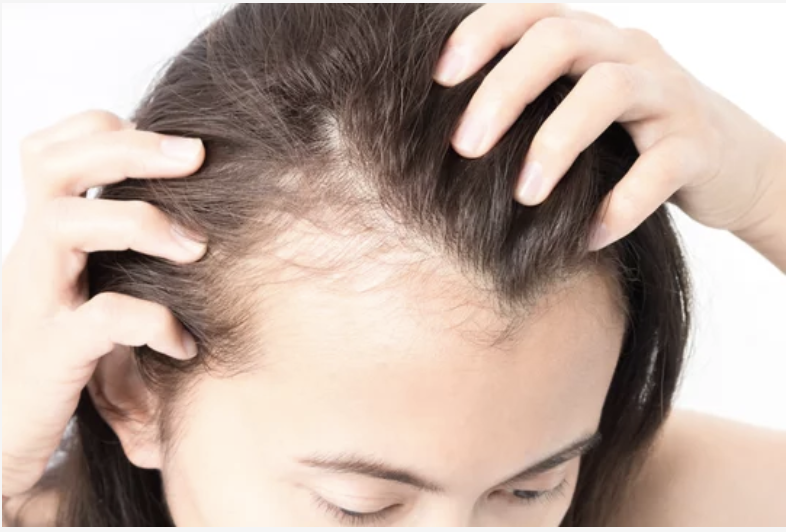
If you’re experiencing shedding, thinning, widening part lines, bald patches, or overall volume loss, you’re not alone—and more importantly, it’s not your fault.
Hair loss is almost never caused by a single issue. It’s a multifactorial condition that requires a holistic, integrative approach, not just a shampoo or supplement.
In this blog, we break down the most common causes of hair loss and how we treat them from the inside out.
🌿 Why Hair Loss Happens: The 6 Most Common Root Causes
1. Hormonal Imbalances
Hormones play a major role in hair growth—and even small shifts can trigger shedding.
Common hormonal triggers include:
Thyroid dysfunction (hypo or hyper)
PCOS
Perimenopause and menopause
Elevated androgens (DHT sensitivity)
Postpartum hormone fluctuations
When hormones are imbalanced, hair follicles become either overstimulated or undernourished. This can lead to thinning, recession, or diffuse shedding.
2. Stress & Nervous System Overload
High stress pushes the body into survival mode. When cortisol rises, the body diverts nutrients and energy away from non-essential functions—including hair growth.
Stress-related shedding (telogen effluvium) often appears 2–3 months after a stressful event, such as:
Illness
Surgery
Emotional stress
Rapid weight loss
Over-exercise
Burnout
This type of hair loss is reversible when the underlying stress is addressed.
3. Nutrient Deficiencies
Healthy hair requires specific micronutrients for growth, strength, and thickness.
The most common deficiencies linked to hair loss:
Ferritin (iron storage)
Vitamin B12
Folate
Vitamin D
Zinc
Magnesium
Protein
Here's the key: you can have “normal” labs and still be suboptimal for hair growth. For example, ferritin under 50 is strongly associated with shedding—even when iron levels appear normal.
This is why we test, not guess.
4. Gut Health & Absorption Issues
Your gut absorbs the nutrients your follicles rely on. If digestion is impaired, even a perfect diet won’t deliver what your hair needs.
Hair loss often occurs with:
Bloating, constipation, or diarrhea
IBS or SIBO
Leaky gut
Chronic inflammation
Food sensitivities
Poor gut health means poor nutrient absorption—and poor absorption means poor hair growth.
5. Aging & Genetics
As we age, hair naturally becomes:
Finer
Less dense
Slower to grow
Genetics also play a role, particularly in androgen sensitivity (DHT). But genetics are not destiny—we can significantly support follicle health with the right approach.
6. Inflammation & Autoimmune Conditions
Inflammation can shrink or weaken hair follicles, and autoimmune disorders like alopecia areata can trigger sudden patchy hair loss.
Even low-grade inflammation—gut, skin, or systemic—can impact hair quality.
✨ Why We Use a Holistic & Integrative Approach
Because hair loss rarely has a single cause, we treat it on all levels:
Internal
Hormone balancing
Ferritin, B12, folate, vitamin D optimization
Gut healing protocols
Stress and nervous system support
Thyroid and adrenal evaluation
External
Prescription topicals (e.g., minoxidil, compounded blends)
Proprietary topicals
Scalp health treatments
Peptide therapies
In-office regenerative procedures
Energy-based treatments for circulation
Red light therapy
When internal and external therapies are combined, patients see the most meaningful, lasting improvements.
🌱 Signs You Should Get Evaluated for Hair Loss
You may benefit from a hair loss evaluation if you notice:
Increased shedding in the shower
More hair on your brush or pillow
A widening part
Thinning at the crown
Receding temples
Patchy areas
Reduced ponytail thickness
Hair feeling finer or more fragile
Slow regrowth after stress or illness
The earlier we evaluate, the easier it is to reverse.
📋 What to Expect at Our Hair Loss Consultation
During your visit, we will:
Take a full health, hormonal, and lifestyle history
Perform a scalp and follicle assessment
Order targeted labs to uncover root causes
Build a personalized internal plan (nutrition, hormones, micronutrients)
Recommend external treatments tailored to your pattern and goals
Our philosophy is simple:
We don’t treat the symptom. We treat the whole person.
💛 The Bottom Line
Hair loss can feel overwhelming, but it is almost always addressable when you understand what’s driving it.
You deserve:
answers
a personalized plan
and real, measurable improvement
Not guesswork. Not generic solutions.
Your hair is a reflection of your inner balance—and with the right guidance, both can be restored.
✨ Ready to Begin Your Hair Restoration Journey?
Whether you’re experiencing early shedding or long-term thinning, our team is here to help you uncover the root cause and build a comprehensive treatment plan.
👉 Schedule your Hair Health Consultation today.
Let’s restore your confidence from the inside out.