
Mood & Micronutrients Series — Part 2: Gut Health & Serotonin: How Your Digestive System Shapes Your Mood
🌿 The Mood & Micronutrients Series
A 3-Part Science-Backed Guide to the Hidden Biological Drivers of Emotional Wellness
In Part 1 of our Mood & Micronutrients Series, we explored how low ferritin (iron storage) can quietly contribute to depression, fatigue, and low motivation—even when standard labs look “normal.”
Now in Part 2, we turn to another powerful and often misunderstood player in emotional wellness:
Your gut.
Most people associate serotonin—the “feel-good” neurotransmitter—with the brain. But here’s the surprising truth:
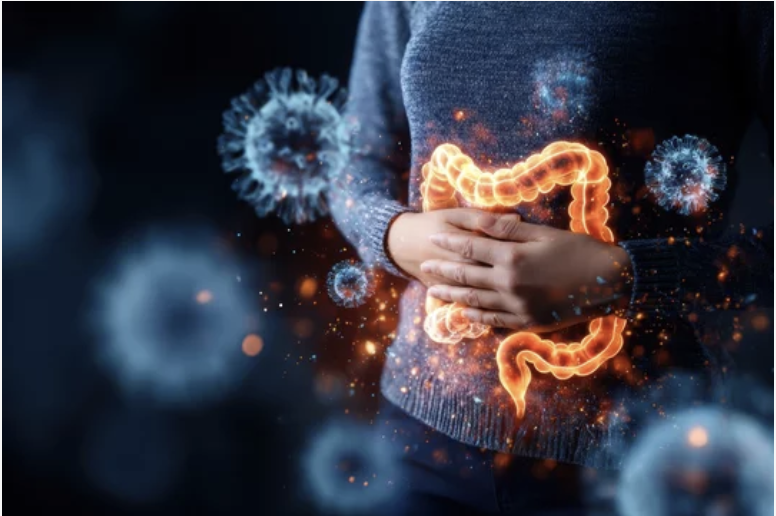
Over 90% of your body’s serotonin is produced in your gut, not your brain.
That means your digestive health is one of the most powerful biological drivers of your mood, anxiety levels, sleep quality, motivation, cravings, and emotional resilience.
What Is Serotonin and Why Does It Matter?
Serotonin is a neurotransmitter that helps regulate:
Mood and emotional stability
Anxiety and stress response
Sleep–wake cycles
Appetite and satiety
Digestion and gut motility
Pain perception
Low serotonin levels are associated with:
Depression
Anxiety
Irritability
Insomnia
Emotional eating and cravings
Low stress tolerance
Most antidepressant medications work by altering how serotonin is recycled in the brain—but they do not address where serotonin is actually made.
Why the Gut Produces So Much Serotonin
Your gut contains specialized cells called enterochromaffin cells, which produce the vast majority of your serotonin. These cells are deeply influenced by:
Your gut microbiome (the ecosystem of bacteria in your intestines)
Levels of inflammation
Nutrient absorption
Intestinal permeability (“leaky gut”)
Fiber and prebiotic intake
Your gut and brain communicate through the gut–brain axis, using:
The vagus nerve
Hormones
Immune signals
Neurotransmitters
This constant communication explains why digestive health affects far more than digestion—it directly shapes mood, calmness, focus, and emotional regulation.
How Poor Gut Health Can Lower Serotonin
When the gut becomes imbalanced (a state called dysbiosis), serotonin production and signaling can be disrupted in several key ways:
1. Inflammation Steals the Building Blocks of Serotonin
Serotonin is made from the amino acid tryptophan. Chronic gut inflammation diverts tryptophan away from serotonin production and into inflammatory pathways instead.
2. Leaky Gut Disrupts Brain Chemistry
Increased intestinal permeability allows toxins and inflammatory molecules into the bloodstream, which interferes with normal serotonin signaling in the brain.
3. Microbiome Imbalance Reduces Serotonin Output
Certain beneficial gut bacteria directly stimulate serotonin production. When these bacteria are depleted, serotonin output often declines.
4. Nutrient Malabsorption Impairs Neurotransmitter Production
Poor gut health reduces absorption of nutrients essential for serotonin synthesis, including:
Iron (ferritin)
Vitamin B6
Vitamin B12
Folate
Magnesium
This is why mood disorders so often overlap with nutrient deficiencies and digestive symptoms.
Symptoms That May Signal a Gut–Serotonin Imbalance
Many patients experience both emotional and digestive symptoms without realizing they are biologically connected:
Depression or anxiety
Brain fog
Low stress tolerance
Chronic fatigue
Sugar cravings and emotional eating
Bloating, constipation, or diarrhea
Skin issues (acne, eczema, rosacea)
Poor sleep or frequent waking
When gut health suffers, mood often follows.
Why This Matters in Aesthetic & Wellness Medicine
At our practice, we don’t separate:
Mood
Energy
Skin
Hair
Weight
Hormones
Digestion
They are all part of one integrated physiological system.
Gut health and serotonin directly influence:
✅ Emotional resilience
✅ Appetite regulation
✅ Cravings and compulsive eating
✅ Body composition
✅ Sleep quality
✅ Skin inflammation
✅ Hormonal balance
If the gut is inflamed or depleted, no aesthetic, hormone, or mood-based therapy can reach its full potential.
Can Healing the Gut Improve Mood?
For many patients, yes.
When we restore gut health, we frequently see improvements in:
Mood stability
Anxiety levels
Energy and focus
Sleep quality
Cravings
Emotional eating patterns
Supporting the gut is not a replacement for mental health care—but it is often the missing biological foundation for emotional wellness.
How We Support Gut Health & Serotonin Optimization
At our clinic, we take a whole-person approach that may include:
✅ Comprehensive gut microbiome testing
✅ Inflammation and permeability assessment
✅ Nutrient status evaluation (ferritin, B12, folate, magnesium)
✅ Targeted probiotic and prebiotic therapy
✅ Anti-inflammatory nutrition strategies
✅ Hormone and metabolic optimization when appropriate
We don’t guess—we test, individualize, and monitor progress.
The Bottom Line
The majority of your serotonin is produced in your gut
Gut inflammation, dysbiosis, and nutrient deficiencies can directly lower serotonin
Poor gut health can quietly contribute to:
Depression
Anxiety
Brain fog
Cravings
Fatigue
Restoring gut health supports both emotional and physical vitality
What’s Coming Next in the Series — Part 3
In Part 3 of our Mood & Micronutrients Series, we’ll explore:
B12, Folate & Mood: The Overlooked Vitamin Deficiencies Behind Brain Fog, Anxiety & Low Motivation
We’ll break down:
Methylation and neurotransmitter production
Why “treatment-resistant” depression often has a B-vitamin foundation
And how these vitamins silently shape energy, cognition, and emotional drive
Our Invitation to You
If you’re currently struggling with:
Low mood
Anxiety
Digestive symptoms
Cravings or emotional eating
Brain fog
Poor sleep
…it may be time to look beyond symptom suppression and explore your gut–brain connection.
👉 Schedule a comprehensive wellness consultation with our team to learn whether your gut health may be influencing your serotonin, mood, and overall vitality.
Sometimes the path to feeling better starts in the most unexpected place—your gut.