
Should You Still Be Using Retin-A?
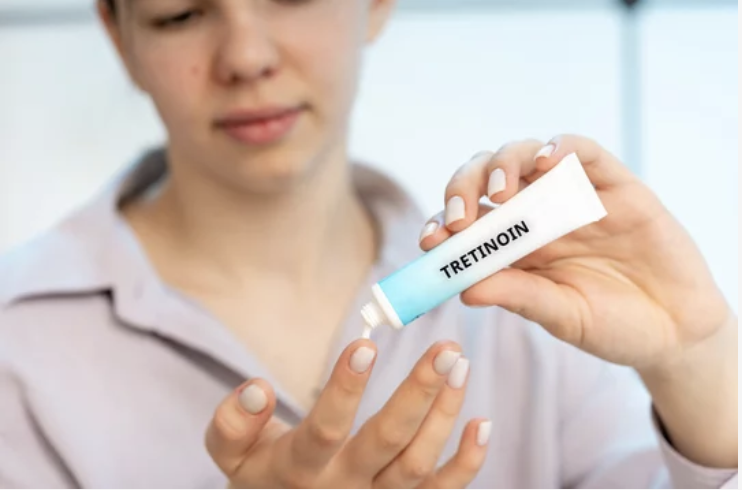
Retin-A (tretinoin) has long been considered the gold standard in skincare. Dermatologists have prescribed it for decades, and for good reason—it works. But as our understanding of skin health, inflammation, and aging has evolved, so has the conversation around how, when, and if Retin-A should be used.
So the real question isn’t simply “Should people still be using Retin-A?” It’s “Is Retin-A right for your skin, right now?”
Why Retin-A Became the Gold Standard
Retin-A is a prescription-strength vitamin A derivative that has been extensively studied and proven to:
Increase cell turnover
Stimulate collagen production
Improve acne and prevent breakouts
Smooth fine lines and uneven texture
Help regulate pigmentation over time
From a scientific standpoint, tretinoin remains one of the most effective topical ingredients we have. There’s no denying its ability to transform skin when used correctly.
Where the Old-School Approach Falls Short
For years, the messaging around Retin-A was simple:
Use it nightly. Push through the peeling. Irritation means it’s working.
We now know better.
Chronic inflammation is not anti-aging. In fact, prolonged irritation can compromise the skin barrier and accelerate aging—especially in already stressed or hormonally changing skin.
Overuse or poor tolerance of Retin-A can lead to:
Persistent redness and sensitivity
Disrupted skin barrier function
Worsening melasma or post-inflammatory pigmentation
Excessive dryness and impaired healing
In other words, more is not always better.
Who Still Benefits Most from Retin-A
Retin-A can be an excellent long-term tool when it’s matched to the right skin type and used thoughtfully.
It’s often well-suited for people who:
Have acne-prone or congested skin
Have thicker, more resilient skin
Are younger or early in the aging process
Tolerate it without chronic irritation
Are diligent about moisturizing and daily SPF
For these individuals, tretinoin can remain a cornerstone of a smart skincare routine.
Who Should Be More Cautious
Retin-A is not universally tolerated—and for some, it can do more harm than good if used aggressively.
You may need a modified approach if you:
Have rosacea, eczema, or highly sensitive skin
Are perimenopausal or menopausal (when the skin barrier naturally thins)
Struggle with melasma or pigmentation
Experience chronic dryness, burning, or redness
Are layering multiple strong actives at once
In these cases, nightly tretinoin use may worsen inflammation and undermine long-term skin health.
A Smarter, Modern Way to Use Retin-A
Today’s approach to Retin-A is about precision, not punishment.
Smarter strategies include:
Using tretinoin 2–3 nights per week instead of nightly
Buffering with a moisturizer to reduce irritation
Cycling use seasonally or around in-office treatments
Pairing with barrier-supportive products
And for some patients, alternatives may be more appropriate.
Modern Alternatives to Consider
Advances in aesthetic and regenerative skincare now offer effective options that support renewal without chronic irritation, including:
Retinaldehyde (gentler but effective vitamin A derivative)
Prescription-strength retinol blends
Peptides and growth factors
Regenerative and biostimulatory treatments that encourage collagen production without damaging the skin
These approaches focus on repair, resilience, and communication at the cellular level, rather than constant forced turnover.
The Bottom Line
Retin-A is still a powerful and valuable tool—but it is no longer a one-size-fits-all solution.
Healthy, youthful skin isn’t about how much irritation you can tolerate. It’s about balancing regeneration with repair.
At Total Illusion Aesthetic & Wellness Center, we don’t simply ask: “Are you using Retin-A? We ask: “Is your skin thriving?”
Because the ultimate goal isn’t peeling or redness—it’s calm, resilient, glowing skin that ages well over time.
If you’re unsure whether Retin-A still belongs in your routine—or if your skin needs a more supportive approach—we’re here to help you build a plan that works with your skin, not against it.
✨ Book a consultation to find the right strategy for your skin’s current phase and long-term health.