

Vitamins and Nutrients That Support Mood: What Your Brain Might Be Missing
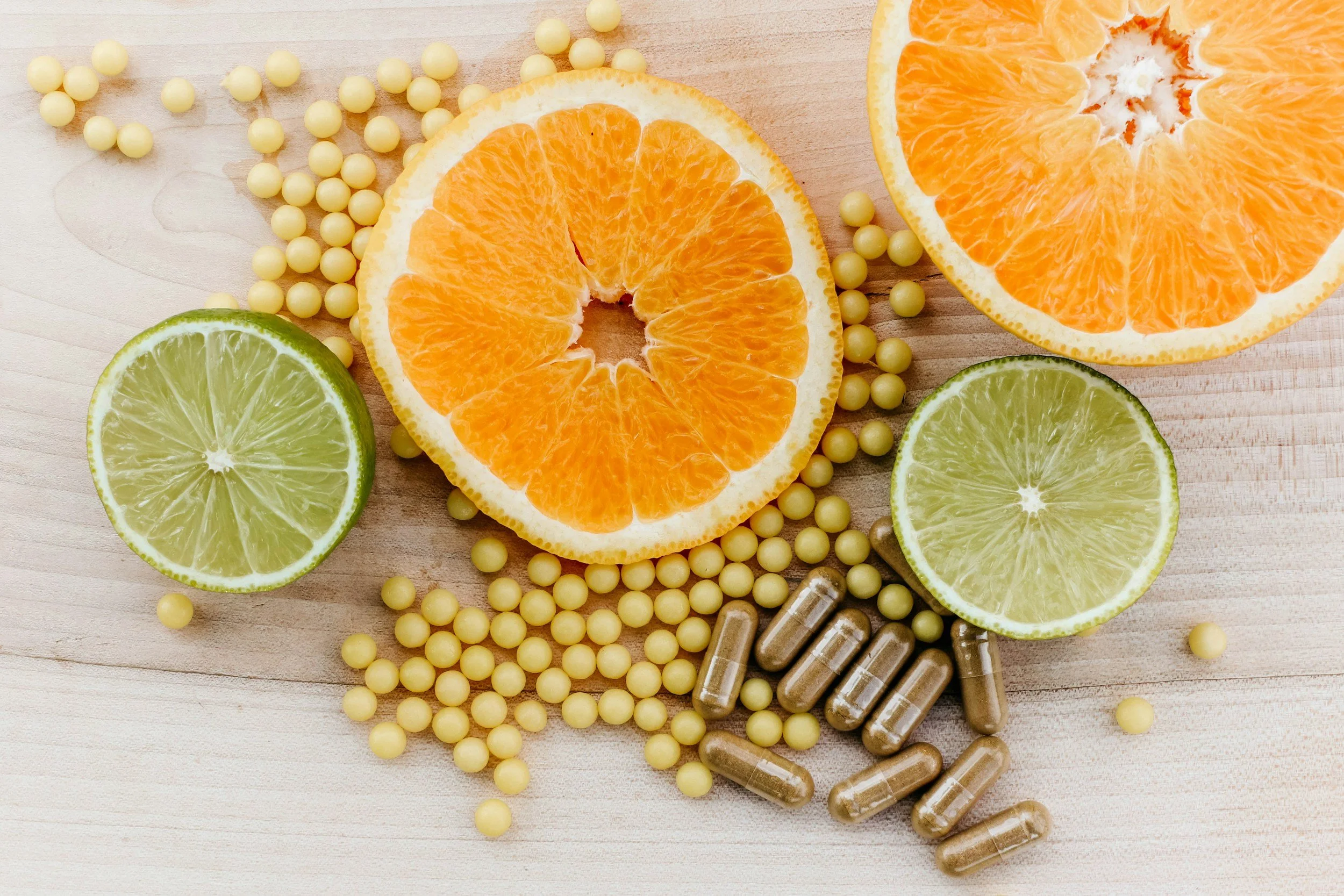
If you’ve been feeling anxious, low, irritable, unmotivated, or just “not like yourself,” it’s easy to assume it’s purely emotional.
But mood is biology.
Your brain depends on nutrients to produce neurotransmitters, regulate inflammation, stabilize stress hormones, and maintain resilience. When certain vitamins and supportive compounds are low—even subtly—your mental clarity and emotional stability can shift.
Let’s explore the key nutrients that play a meaningful role in mood support.
1. Vitamin D — The Mood Regulator
Vitamin D acts more like a hormone than a vitamin. It influences:
Serotonin production
Immune balance
Inflammation regulation
Brain signaling
Low levels are strongly associated with depression, fatigue, and seasonal mood changes.
Many adults are insufficient—and optimal levels (not just “normal”) matter.
2. B Vitamins — The Neurotransmitter Builders
B vitamins are foundational for brain chemistry.
Especially important:
B6 – converts tryptophan into serotonin
B9 (Folate) – supports methylation and dopamine balance
B12 – essential for nerve health and mood regulation
Low B vitamins can contribute to fatigue, irritability, and brain fog.
Folic Acid vs. Folate
Folate is the natural form of vitamin B9 found in food.
Folic acid is the synthetic form often found in supplements and fortified foods.
Some individuals have genetic variations (such as MTHFR variants) that make it harder to convert folic acid into its active form. In these cases, methylated folate (5-MTHF) may be more effective for mood support.
Personalization matters here.
3. Magnesium — The Nervous System Calmer
Magnesium supports:
GABA production (your calming neurotransmitter)
Stress hormone regulation
Sleep quality
Muscle relaxation
Chronic stress depletes magnesium. Low levels are linked to anxiety, insomnia, and heightened stress response.
4. Omega-3 Fatty Acids — Brain Structure Support
Omega-3s help:
Reduce neuroinflammation
Support serotonin and dopamine pathways
Improve cell membrane fluidity
Your brain is largely composed of fat—quality fatty acids are critical for mood stability.
5. Iron — The Overlooked Mood Factor
Iron deficiency—even without anemia—can contribute to:
Fatigue
Low motivation
Brain fog
Irritability
Ferritin levels that are technically “normal” may still be suboptimal for optimal cognitive and emotional function.
6. SAMe (S-Adenosyl Methionine) — The Methylation Supporter
SAMe is a naturally occurring compound in the body that plays a key role in methylation, a biochemical process essential for neurotransmitter production.
Research suggests SAMe may support:
Serotonin and dopamine production
Mood stability
Cognitive clarity
It has been studied as an adjunct in mild to moderate depression.
However, SAMe should be used cautiously and under supervision, particularly in individuals with bipolar disorder, as it may elevate mood excessively.
7. 5-HTP — A Serotonin Precursor
5-HTP (5-hydroxytryptophan) is a precursor to serotonin.
It may support:
Mood regulation
Sleep quality
Appetite control
Because it directly influences serotonin pathways, it should never be combined with certain antidepressants (like SSRIs) without medical supervision, due to the risk of serotonin excess.
This is not a “more is better” supplement—it’s one that requires guidance.
Important: Supplements Are Not One-Size-Fits-All
While these nutrients can be powerful, mood is rarely influenced by one deficiency alone.
Mood shifts can also be driven by:
Hormonal imbalances (estrogen, progesterone, thyroid, testosterone)
Blood sugar instability
Cortisol dysregulation
Gut inflammation
Chronic stress
Sometimes supplementation is helpful. Sometimes the deeper issue lies in hormones, metabolism, or nervous system regulation.
The key is thoughtful evaluation—not guesswork.
The Bigger Picture
Mental wellness is physiological.
Before assuming your mood changes are “just stress” or “just life,” consider whether your brain and body may need targeted nutritional and metabolic support.
Because sometimes the most compassionate thing we can do for our mental health is nourish the biology that sustains it.