Scalp Health: The Foundation of Hair Restoration
Why healthy hair always starts at the scalp
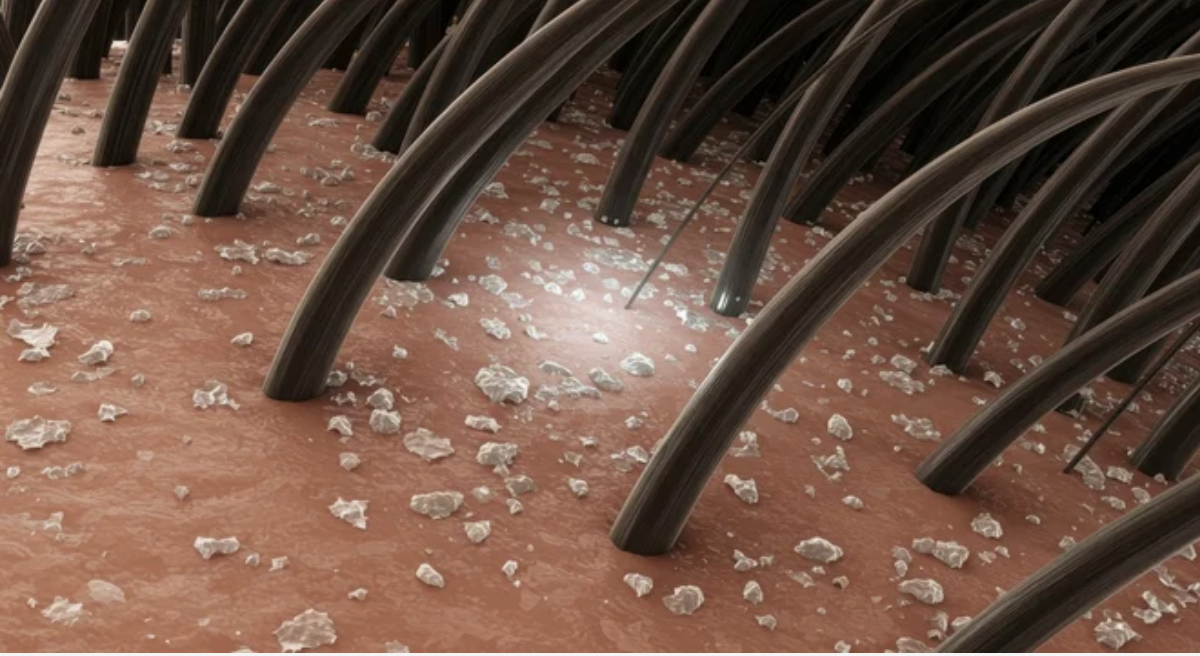
When patients seek help for thinning hair or hair loss, the conversation often focuses on the hair itself—density, shedding, or regrowth. But in reality, hair health begins at the scalp. Just as healthy soil is essential for strong plant growth, a balanced, well-nourished scalp is critical for healthy, resilient hair.
If the scalp environment is inflamed, congested, or poorly nourished, even the most advanced hair growth treatments may not reach their full potential.
Why Scalp Health Matters
Each hair grows from a follicle embedded in the scalp. These follicles depend on:
Adequate blood flow
Balanced oil production
A healthy microbiome
Proper nutrient delivery
Minimal inflammation
When the scalp is healthy, follicles are better able to:
Stay in the growth (anagen) phase longer
Produce thicker, stronger hair
Respond more effectively to treatments
When the scalp is unhealthy, follicles may:
Become clogged with oil and debris
Experience reduced circulation
Enter the shedding phase prematurely
Produce thinner, weaker hair
The Four Key Factors That Influence Scalp Health
1. Oil and Buildup
Excess sebum, sweat, and product residue can clog follicles and create an environment that disrupts the hair growth cycle.
Common signs:
Greasy scalp
Flaking
Itchiness
Hair that feels heavy or flat
2. Inflammation
Chronic low-grade inflammation is one of the most overlooked causes of hair thinning. It can:
Constrict blood flow to follicles
Disrupt the hair growth cycle
Lead to miniaturization of hair follicles over time
Inflammation may be caused by:
Seborrheic dermatitis
Stress
Hormonal imbalance
Environmental toxins
Harsh hair products
3. Poor Circulation
Hair follicles rely on a steady supply of oxygen and nutrients. Reduced circulation can:
Slow hair growth
Weaken the hair shaft
Increase shedding
4. Barrier Dysfunction and Dryness
Just like facial skin, the scalp has a protective barrier. When this barrier is compromised:
Moisture is lost
Irritation increases
Follicle function declines
Why Many Hair Treatments Fail
Many people jump straight to growth serums or medications without first addressing the scalp environment. If the scalp is:
Inflamed
Congested
Dehydrated
Poorly nourished
Then even the best treatments may not work as effectively.
Hair restoration is most successful when the scalp is treated first.
The Three Pillars of a Healthy Scalp
1. Deep Cleansing and Exfoliation
Regular cleansing removes:
Oil buildup
Dead skin cells
Environmental debris
Gentle exfoliation helps:
Unclog follicles
Improve scalp turnover
Support a balanced scalp environment
2. Hydration and Barrier Support
A healthy scalp needs:
Moisture balance
Anti-inflammatory ingredients
Barrier-repairing nutrients
This helps:
Reduce irritation
Improve comfort
Support healthier follicle function
3. Circulation and Follicle Stimulation
Improving blood flow and cellular activity can:
Deliver more nutrients to follicles
Support the hair growth cycle
Enhance treatment results
Technologies such as:
Scalp renewal treatments
Red light therapy
Targeted growth serums can help optimize the scalp environment.