

Why Short-Chain Fatty Acids Might Be the Missing Link in Your Gut, Hormone, and Brain Health
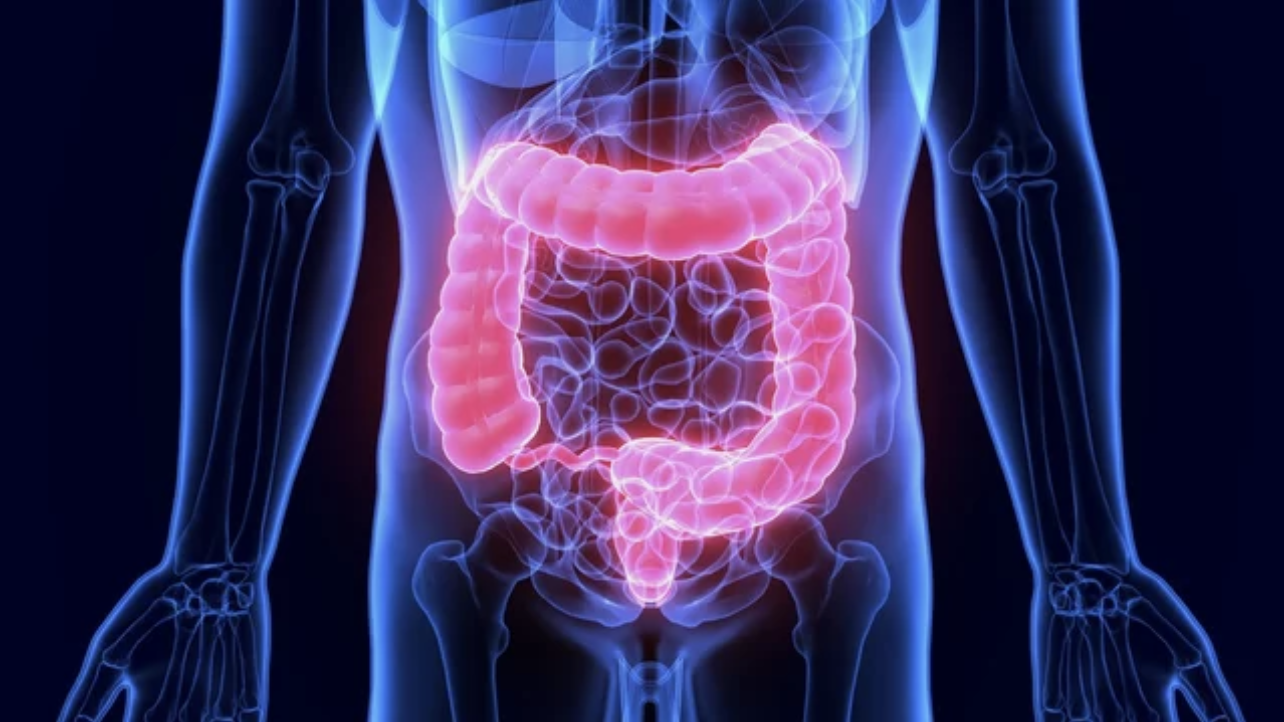
When we talk about gut health, most people think of probiotics.
But the real magic doesn’t come from the bacteria alone.
It comes from what they produce.
One of the most powerful (and overlooked) products of a healthy gut microbiome is something called short-chain fatty acids, or SCFAs.
And they may be one of the most important compounds in your entire body.
What Are Short-Chain Fatty Acids?
Short-chain fatty acids are small molecules produced when beneficial gut bacteria ferment fiber in your colon.
The three main ones are:
Butyrate
Acetate
Propionate
You don’t get them directly from food.
You make them — when your gut bacteria are healthy and well-fed.
And what they do is extraordinary.
Why Short-Chain Fatty Acids Matter
1. They Heal the Gut Lining
Butyrate is the primary fuel source for the cells lining your colon.
Without enough SCFAs:
The gut barrier weakens
Inflammation increases
“Leaky gut” becomes more likely
With adequate SCFAs:
The gut lining stays strong
Inflammation decreases
Nutrient absorption improves
A healthy gut barrier is foundational for immune balance, hormone regulation, and even skin clarity.
2. They Reduce Inflammation Systemically
SCFAs help regulate immune signaling and calm inflammatory pathways throughout the body.
Low SCFA production has been associated with:
Insulin resistance
Autoimmune conditions
Mood disorders
Metabolic dysfunction
Chronic inflammation is one of the drivers behind fatigue, weight resistance, and hormonal imbalance — which is why gut health often sits at the root.
3. They Improve Insulin Sensitivity
SCFAs play a direct role in metabolic health.
They:
Improve insulin signaling
Support blood sugar regulation
Influence appetite hormones
Help regulate fat storage
This is one reason why fiber-rich diets are linked to better weight control — it’s not just about calories. It’s about microbiome signaling.
4. They Support Brain Health and Mood
Your gut and brain are constantly communicating.
Short-chain fatty acids:
Reduce neuroinflammation
Support neurotransmitter production
Influence dopamine and serotonin pathways
Help regulate stress response
Low SCFAs have been associated with anxiety, depression, and cognitive decline.
Mental clarity is often rooted in gut chemistry.
5. They Help Balance Hormones
A healthy microbiome and adequate SCFAs support proper estrogen metabolism and detoxification.
When gut health is compromised:
Estrogen recirculation can increase
Hormone balance can shift
PMS, perimenopause symptoms, and bloating may worsen
Gut health is hormone health.
Why Many People Are Low in SCFAs
Modern life works against them.
Common reasons include:
Low fiber intake
Highly processed diets
Chronic stress
Antibiotic use
Poor sleep
Sedentary lifestyle
Many patients eat “clean” but still lack sufficient fermentable fiber diversity — which means their gut bacteria aren’t producing enough of these beneficial compounds.
How to Increase Short-Chain Fatty Acids
The goal is not just probiotics.
It’s feeding the right bacteria.
Focus on:
✔ Diverse plant fiber (aim for 20–30 different plant foods weekly)
✔ Resistant starch (cooled potatoes, green bananas, legumes)
✔ Prebiotic fibers (onions, garlic, leeks, asparagus)
✔ Polyphenol-rich foods (berries, olive oil, green tea)
✔ Strength training and movement
✔ Stress reduction (yes, cortisol affects your microbiome)
In some cases, targeted supplementation or butyrate support may be appropriate — but food first is foundational.
The Bigger Picture
Short-chain fatty acids sit at the intersection of:
Gut integrity
Hormone balance
Metabolic health
Brain function
Inflammation regulation
Longevity
They are one of the clearest examples of how inner biology drives outward vitality.
If you’re struggling with fatigue, weight resistance, bloating, mood changes, or hormone shifts — the conversation may need to start in your gut.
Because sometimes the most powerful medicine isn’t a prescription.
It’s what your body is designed to make — when supported properly.