

The Gut-Sleep Connection: Could Your Gut Health Be Affecting Your Sleep?
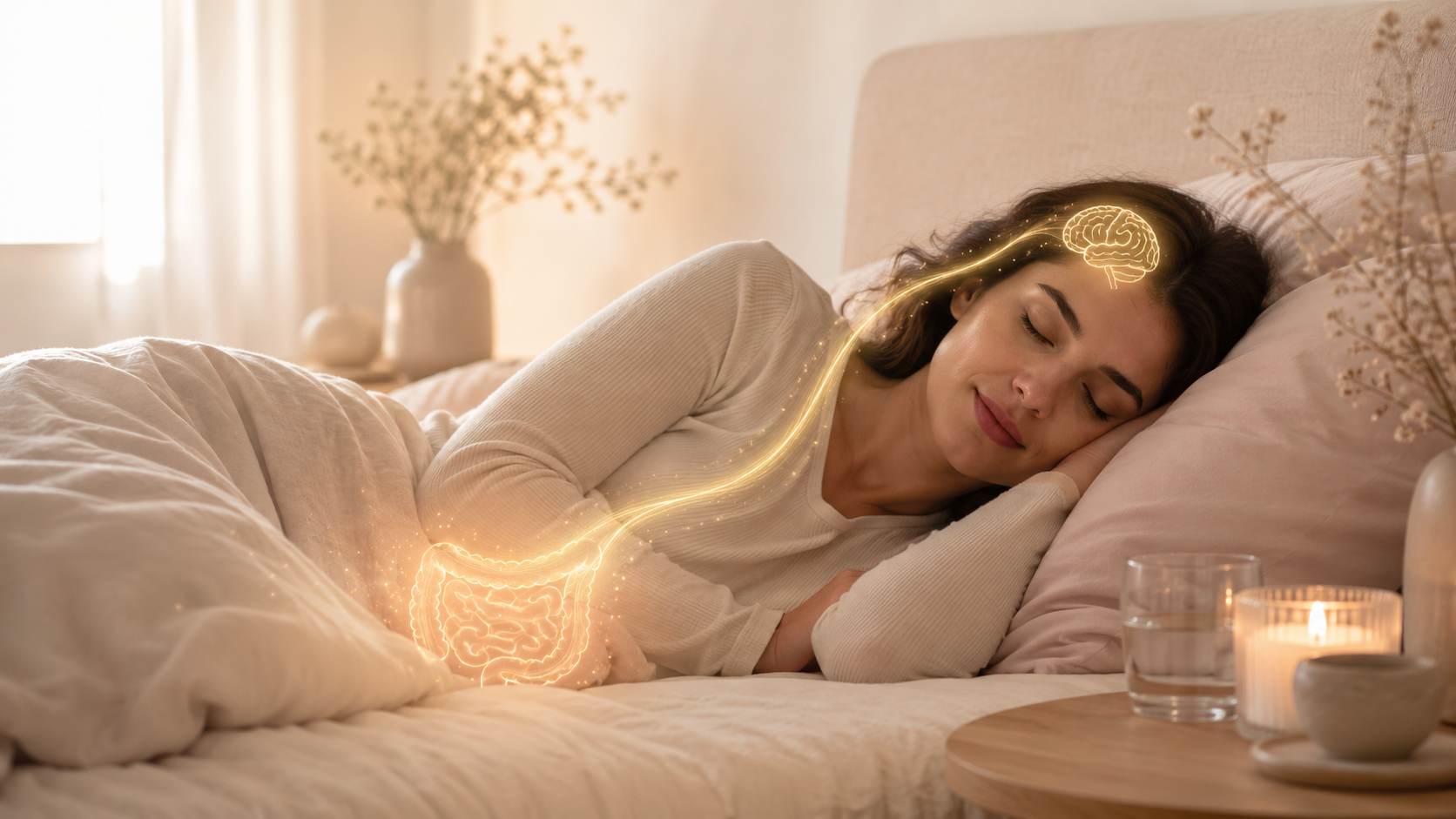
Good sleep is one of the foundations of health. It affects your energy, mood, metabolism, hormones, immune function, cravings, skin, and ability to feel like yourself.
But for many people, sleep does not come easily.
You may be doing the obvious things — limiting caffeine, trying to go to bed earlier, reducing screen time, or managing stress — and still find yourself lying awake, waking during the night, or feeling exhausted in the morning.
While stress, sleep habits, hormones, medications, and underlying medical conditions can all play a role, there is another area worth paying attention to: the gut.
Research continues to explore the relationship between the gut microbiome and sleep. The connection is not always simple, but we are learning that gut health may influence sleep through inflammation, stress signaling, nutrient metabolism, neurotransmitter pathways, and circadian rhythm regulation.
In other words, poor sleep may not only be a brain issue. For some people, the gut may be part of the conversation.
What Is Gut Dysbiosis?
Your gut is home to trillions of microorganisms, including bacteria, fungi, viruses, and other microbes. Together, they make up what is known as the gut microbiome.
A healthy gut microbiome helps support digestion, immune function, nutrient metabolism, gut barrier health, inflammation balance, and communication between the gut and the brain.
Gut dysbiosis refers to an imbalance in this microbial environment. This may involve reduced microbial diversity, a loss of beneficial bacteria, overgrowth of less helpful organisms, or an overall shift away from a balanced gut ecosystem.
Dysbiosis does not always look the same from person to person. Some people notice digestive symptoms such as bloating, constipation, diarrhea, gas, or food sensitivity. Others may experience symptoms that feel less obviously connected to the gut, such as fatigue, brain fog, skin changes, mood changes, inflammation, or sleep disruption.
How the Gut and Sleep Are Connected
The gut and brain are in constant communication through what is called the gut-brain axis. This communication happens through several pathways, including the nervous system, immune system, hormones, microbial metabolites, and inflammatory signaling.
When the gut is inflamed or imbalanced, that communication may become disrupted. For some people, this may contribute to difficulty falling asleep, staying asleep, or waking up feeling restored.
Here are several ways gut health may influence sleep.
1. The Gut-Brain Axis and Neurotransmitter Signaling
Many people are surprised to learn that the gut is involved in the production and regulation of several important signaling molecules.
Serotonin, for example, is strongly connected to gut function. While serotonin is often thought of as a “mood chemical,” it also plays roles in digestion, gut movement, and sleep-wake regulation. The relationship is complex because gut serotonin and brain serotonin are not exactly the same pool, but the gut microbiome can still influence pathways related to mood, stress, and sleep.
The gut microbiome may also influence GABA, a calming neurotransmitter involved in relaxation and sleep regulation. When gut health is disrupted, some people may experience more restlessness, anxiety, or difficulty winding down at night.
This does not mean every sleep problem starts in the gut. But it does mean that gut health may be one important piece of a larger sleep picture.
2. Inflammation and Immune Activation
Gut dysbiosis can contribute to inflammation in the body.
When the gut lining becomes irritated or more permeable, the immune system may become more activated. This can lead to the release of inflammatory signals that affect the entire body, including the brain and nervous system.
Chronic inflammation can interfere with sleep quality. It may make the body feel more “wired,” uncomfortable, restless, or unable to fully settle into restorative sleep.
This is one reason people with inflammatory conditions, digestive issues, autoimmune concerns, chronic stress, or metabolic dysfunction may also struggle with sleep.
The body sleeps best when it feels safe, regulated, and metabolically balanced.
3. Circadian Rhythm Disruption
Your circadian rhythm is your internal clock. It helps regulate when you feel awake, when you feel sleepy, how your hormones rise and fall, and how your metabolism functions throughout the day.
The gut microbiome also appears to follow daily rhythms. Meal timing, light exposure, sleep timing, stress, and food choices can all influence both circadian rhythm and gut microbial activity.
When sleep is irregular, the gut microbiome may be affected. When the gut microbiome is imbalanced, circadian signaling may also be affected.
This can create a cycle where poor sleep disrupts the gut, and poor gut health may make it harder to sleep well.
4. Stress, Cortisol, and the Gut
Stress has a direct effect on both the gut and sleep.
When the body is under chronic stress, the stress response system can become overactive. Cortisol may remain elevated at the wrong times, especially in the evening, making it harder to relax and fall asleep.
At the same time, stress can change gut motility, digestion, gut barrier function, and the balance of bacteria in the gut. This is why some people notice bloating, reflux, constipation, diarrhea, or food sensitivity during stressful seasons of life.
The gut and nervous system are closely linked. If the nervous system is constantly in a fight-or-flight state, both digestion and sleep may suffer.
5. Nutrient Metabolism and Sleep Support
The gut helps break down food, absorb nutrients, and produce important metabolites.
Certain nutrients are important for sleep regulation, including magnesium, B vitamins, amino acids, and minerals that support neurotransmitter production and nervous system function. If digestion or absorption is impaired, the body may not have the building blocks it needs to support healthy sleep.
Gut bacteria also produce short-chain fatty acids, which are compounds made when beneficial gut microbes ferment fiber. These compounds help support gut barrier function, inflammation balance, and communication between the gut and the brain.
This is one reason a nutrient-dense, fiber-rich diet may support both gut health and better sleep quality.
How to Support Gut Health for Better Sleep
If you suspect your gut may be affecting your sleep, the goal is not to chase one supplement or assume one probiotic will fix everything. The best approach is usually a combination of nutrition, lifestyle, nervous system support, sleep hygiene, and personalized medical guidance when needed.
1. Build a Gut-Supportive Diet
Start with food.
A gut-supportive diet includes a variety of plant-based fibers, colorful fruits and vegetables, high-quality protein, healthy fats, and minimally processed foods.
Helpful additions may include:
Vegetables
Berries and low-glycemic fruits
Legumes, if tolerated
Nuts and seeds
Whole grains, if tolerated
Fermented foods such as yogurt, kefir, sauerkraut, or kimchi
Prebiotic foods such as garlic, onions, asparagus, and slightly green bananas
At the same time, it may help to reduce foods that can contribute to inflammation or blood sugar swings, such as excess sugar, ultra-processed foods, and frequent refined carbohydrates.
2. Consider Probiotics Thoughtfully
Probiotics may be helpful for some people, but they are not one-size-fits-all.
Different strains may have different effects, and the best probiotic depends on the person, their symptoms, their health history, and their goals. Some people feel better with probiotics, while others may feel more bloated or uncomfortable depending on the formulation.
This is why it is helpful to work with a knowledgeable healthcare professional instead of randomly choosing supplements.
3. Support the Nervous System
Because the gut and brain are connected, stress management is not optional.
Simple practices that may support the gut-sleep connection include:
Deep breathing
Gentle stretching
Meditation or prayer
Yoga
Walking outside
Journaling
Limiting evening work stress
Creating a calming bedtime routine
The goal is to send the body a signal that it is safe to rest, digest, and repair.
4. Prioritize Sleep Hygiene
Gut health matters, but the basics of sleep still matter too.
Helpful sleep habits include:
Going to bed and waking up at consistent times
Getting morning light exposure
Keeping the bedroom cool and dark
Avoiding screens close to bedtime
Limiting caffeine later in the day
Avoiding large, heavy meals right before bed
Creating a wind-down routine before sleep
These habits help reinforce the body’s natural circadian rhythm.
5. Know When to Get Help
Occasional poor sleep is common. But chronic sleep problems should not be ignored.
If you are regularly struggling with insomnia, waking frequently, feeling exhausted despite sleeping, snoring, waking up gasping, experiencing morning headaches, or feeling excessively sleepy during the day, it is important to speak with a healthcare professional. Sleep apnea, thyroid dysfunction, hormone changes, blood sugar instability, mood disorders, medications, and other medical issues can all affect sleep.
Gut health may be part of the picture, but it should not be the only thing evaluated.
The Bottom Line
The gut and sleep are deeply connected.
An imbalanced gut microbiome may contribute to poor sleep through inflammation, stress signaling, neurotransmitter pathways, nutrient metabolism, and circadian rhythm disruption. At the same time, poor sleep can negatively affect the gut.
This relationship goes both ways.
If you are struggling with sleep, it may be worth looking beyond bedtime habits alone. Supporting your gut, calming inflammation, managing stress, stabilizing blood sugar, and improving your daily rhythm may all help your body move toward better rest.
At Total Illusion Aesthetic & Wellness Center, we take a whole-body approach to wellness. We understand that how you sleep, feel, think, digest, and age are all connected.
If you are tired of feeling tired, we can help you look deeper and create a personalized plan that supports your health from the inside out.