5 Skincare Must-Haves for Healthier, Glowing Skin
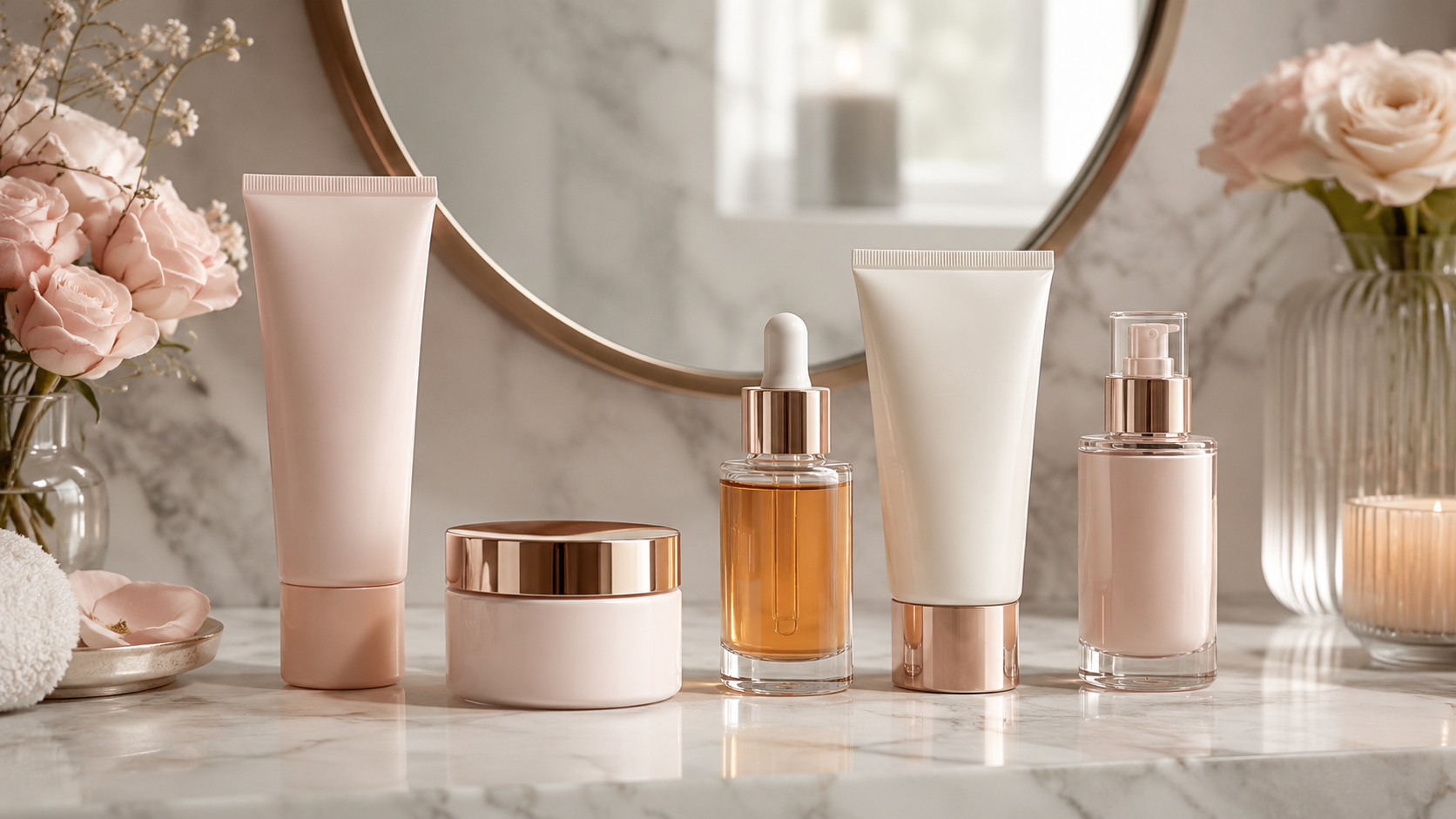
Skincare does not have to be complicated to be effective.
In fact, one of the most common mistakes people make is using too many products without a clear purpose. A good skincare routine should support your skin barrier, protect your skin from daily damage, and target your specific concerns in a way your skin can tolerate.
At Total Illusion Aesthetic & Wellness Center, we believe healthy skin starts with the right foundation. Whether your goal is clearer skin, improved texture, brighter tone, fewer signs of aging, or a more radiant glow, these five skincare must-haves are a smart place to start.
1. A Gentle Cleanser
A good cleanser is the first step in any effective skincare routine.
The goal of cleansing is to remove oil, sweat, makeup, sunscreen, and daily buildup without stripping the skin. Your skin should feel clean after washing, but not tight, dry, or irritated.
For acne-prone, sensitive, or dry skin, a harsh cleanser can make things worse by disrupting the skin barrier. For oily or congested skin, cleansing is still important, but stronger is not always better.
Look for a cleanser that fits your skin type:
Gel or foaming cleansers may work well for oily or acne-prone skin
Cream or hydrating cleansers may be better for dry or sensitive skin
Gentle, non-stripping formulas are usually best for daily use
Clean skin sets the stage for the rest of your products to work better.
2. A Moisturizer That Supports the Skin Barrier
Moisturizer is not just for dry skin.
Even oily and acne-prone skin need hydration and barrier support. When the skin barrier is compromised, the skin may become more irritated, sensitive, red, flaky, or reactive. This can make it harder to tolerate acne treatments, brightening products, or anti-aging ingredients.
The right moisturizer helps keep the skin balanced, comfortable, and resilient.
A good daily moisturizer may help:
Reduce dryness and irritation
Support the skin barrier
Improve skin texture
Help active ingredients feel more tolerable
Keep the skin looking smoother and healthier
If you are acne-prone, choose a lightweight, non-comedogenic moisturizer that hydrates without feeling heavy or greasy.
Healthy skin is not about drying everything out. Healthy skin is balanced, supported, and protected.
3. Vitamin C for Brightness and Antioxidant Support
Vitamin C is one of the most popular skincare ingredients for a reason.
It is commonly used to support brighter-looking skin, improve the appearance of uneven tone, and provide antioxidant support against daily environmental stressors. It can be especially helpful for dullness, discoloration, sun-related skin changes, and early signs of aging.
Vitamin C is often used in the morning after cleansing and before moisturizer and sunscreen.
However, not all vitamin C products are the same. Some formulas can be irritating, especially for sensitive or acne-prone skin. If your skin is reactive, it may be best to start slowly or choose a gentler formulation.
Vitamin C is not a replacement for sunscreen. Think of it as a supportive step that works alongside daily sun protection.
4. Daily Sunscreen
If there is one skincare product almost everyone should be using every day, it is sunscreen.
Sunscreen helps protect the skin from ultraviolet damage that can contribute to premature aging, dark spots, uneven tone, collagen breakdown, and skin cancer risk. It is also essential if you are using brightening products, exfoliants, retinoids, acne treatments, or receiving aesthetic treatments.
Without sunscreen, it is much harder to maintain results from your skincare routine.
For daily use, choose a broad-spectrum sunscreen that feels good enough to wear consistently. The best sunscreen is the one you will actually use.
For acne-prone skin, look for options that are:
Lightweight
Oil-free
Non-comedogenic
Comfortable under makeup
Suitable for daily use
Sunscreen should be the final step in your morning skincare routine.
5. One Targeted Active or Anti-Aging Product
This is where skincare becomes personalized.
An “active” product is a treatment step designed to target a specific concern, such as acne, fine lines, texture, pigmentation, dullness, redness, or loss of firmness.
Examples of active products may include:
Retinol or retinoids for texture, acne-prone skin, fine lines, and aging concerns
Exfoliating acids for dullness, clogged pores, or rough texture
Pigment-correcting ingredients for dark spots or uneven tone
Peptides or growth-factor products for skin rejuvenation support
Acne-focused ingredients for breakouts and congestion
The key is not to use every active ingredient at once.
Too many actives can irritate the skin and damage the barrier. A better approach is to choose one targeted product based on your skin’s needs and introduce it gradually.
This is where professional guidance can make a big difference. The best active for one person may not be the best active for another.
The Bottom Line
A great skincare routine does not have to be overwhelming.
For most people, the foundation comes down to five essentials:
A gentle cleanser.
A barrier-supporting moisturizer.
Vitamin C for brightness and antioxidant support.
Daily sunscreen.
One personalized active or anti-aging product.
When these products are chosen well and used consistently, they can support healthier, clearer, more radiant-looking skin.
At Total Illusion Aesthetic & Wellness Center, we help patients build skincare routines that make sense for their skin, their goals, and their lifestyle. Whether you are dealing with acne, aging, dullness, discoloration, dryness, sensitivity, or simply want a more polished routine, the right products can make a meaningful difference.
If you are not sure what your skin really needs, schedule a skincare consultation with Total Illusion Aesthetic & Wellness Center. Your best skin may not require more products — just the right ones.