

The Link Between Vitamin D and Obesity: What You Need to Know
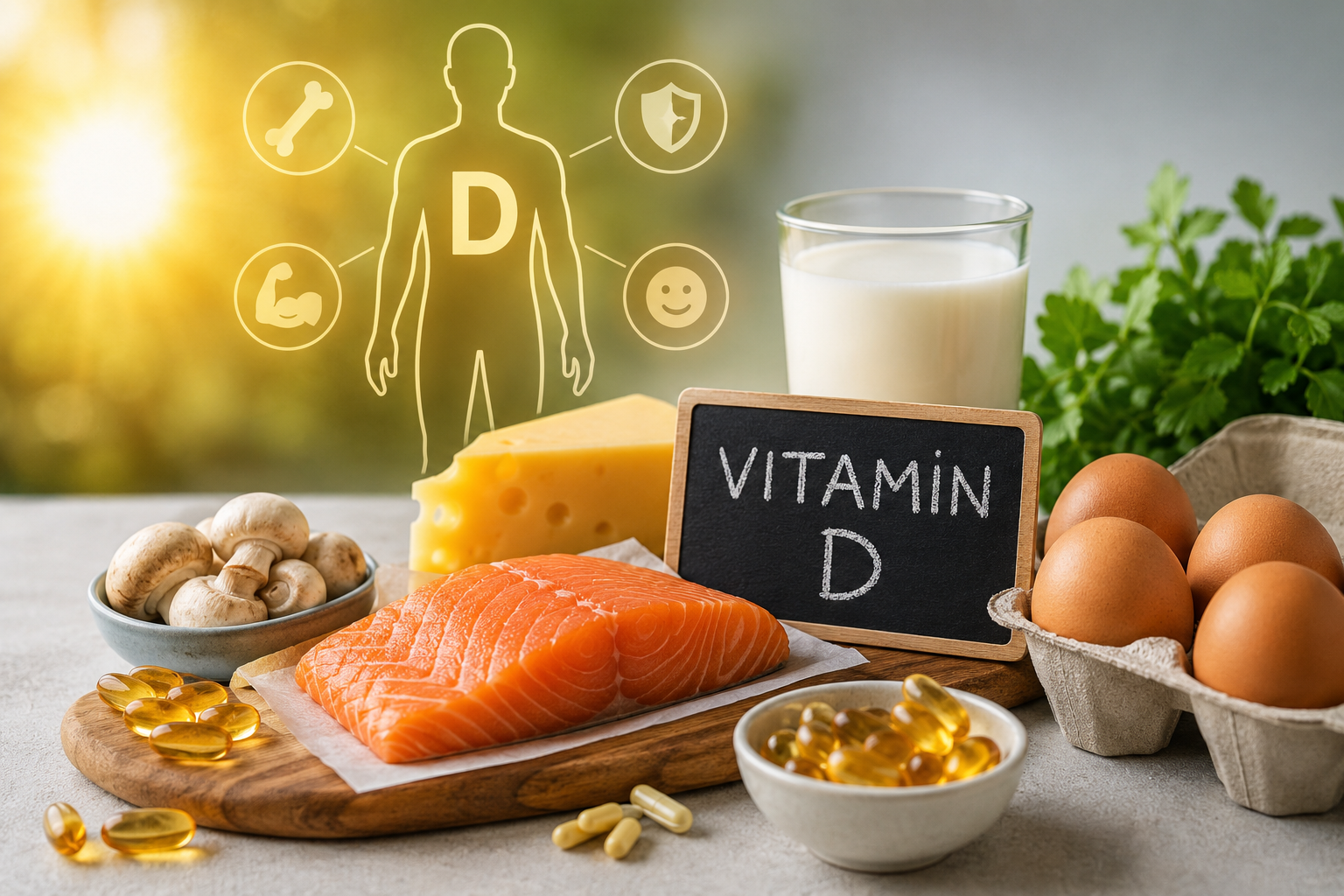
Vitamin D is often called the “sunshine vitamin,” but its role in the body goes far beyond bone health.
Vitamin D supports calcium absorption, immune function, muscle function, inflammation balance, mood, and metabolic health. It also acts more like a hormone than a traditional vitamin, which is one reason it has become such an important part of wellness conversations.
At Total Illusion Aesthetic & Wellness Center, we often look at vitamin D as one piece of a larger metabolic picture. If you are struggling with fatigue, low mood, inflammation, weight resistance, insulin resistance, or difficulty feeling your best, your vitamin D status may be worth evaluating.
Vitamin D is not a magic weight-loss solution. But if your levels are low, restoring them to a healthier range may support the systems that help your body function better.
What Is Vitamin D?
Vitamin D is a fat-soluble vitamin that your body can produce through sun exposure. It can also be found in certain foods and supplements.
Vitamin D plays several important roles in the body, including support for:
Bone strength and calcium absorption
Muscle function
Immune function
Inflammation regulation
Mood and brain health
Glucose metabolism
Overall metabolic wellness
Food sources of vitamin D include fatty fish, egg yolks, liver, and fortified foods such as some dairy products, plant milks, and cereals. However, many people do not get enough vitamin D from food alone.
Sunlight is also an important source, but sun exposure varies depending on where you live, the season, sunscreen use, skin tone, age, lifestyle, and how much time you spend outdoors.
Why Is Vitamin D Often Lower in People With Higher Body Weight?
Research has consistently shown an association between higher body fat and lower circulating vitamin D levels.
There are several possible reasons for this.
1. Vitamin D Is Fat-Soluble
Vitamin D is stored in fat tissue. In people with higher amounts of body fat, more vitamin D may be distributed into fat stores, leaving less available in the bloodstream.
This does not mean the body has “no vitamin D.” It means the vitamin D may be less available in circulation where it is measured and used.
2. Vitamin D May Be Diluted Across a Larger Body Volume
Another theory is called volumetric dilution. In simple terms, people with larger body size may need more vitamin D to achieve the same blood level as someone with a smaller body size.
This is one reason some people with higher body weight may require individualized dosing rather than a one-size-fits-all supplement plan.
3. Lifestyle and Sun Exposure May Play a Role
Vitamin D production depends partly on sunlight exposure.
Some people may have limited outdoor time because of work schedules, fatigue, mobility concerns, lifestyle habits, climate, or personal preference. Less sunlight can lead to less natural vitamin D production.
This does not mean someone should rely on unprotected sun exposure. It simply means vitamin D status is influenced by many real-life factors.
4. Inflammation and Metabolic Health Are Connected
Obesity is associated with chronic low-grade inflammation and changes in metabolic function. These changes may influence how vitamin D is processed, stored, and used in the body.
This is one reason vitamin D should not be viewed in isolation. It is part of a broader conversation that may include insulin resistance, inflammation, thyroid function, hormone changes, muscle mass, sleep, stress, nutrition, and gut health.
Why Vitamin D Matters for Metabolic Wellness
Vitamin D does not directly “burn fat” or cause weight loss on its own.
However, healthy vitamin D levels may support several systems that influence how you feel and function during a weight-loss or wellness journey.
Vitamin D may help support:
Muscle function and strength
Energy and physical performance
Immune balance
Inflammation regulation
Mood and motivation
Glucose metabolism and insulin sensitivity
Bone health during weight loss
When vitamin D is low, some people may feel more tired, achy, weak, or less motivated to exercise. Others may not notice symptoms at all, which is why testing can be helpful when clinically appropriate.
Can Vitamin D Help With Weight Loss?
This is where the answer needs nuance.
Vitamin D supplementation is not a stand-alone weight-loss treatment. Taking vitamin D will not replace nutrition, strength training, sleep, stress management, hormone balance, or medical weight-loss support when appropriate.
However, if someone is deficient, correcting that deficiency may help support better overall health. Some studies suggest vitamin D may have modest benefits for certain metabolic markers, especially in people who start out deficient. But the research is mixed, and vitamin D should not be marketed as a weight-loss supplement.
A better way to think about it is this:
Vitamin D may not be the reason you are struggling with weight, but low vitamin D can be one more factor making your body feel less supported.
How Do You Know If Your Vitamin D Is Low?
The most common blood test used to evaluate vitamin D status is called 25-hydroxyvitamin D, often written as 25(OH)D.
This test gives your provider a better sense of your vitamin D stores.
Vitamin D testing may be especially worth discussing if you have:
Higher body weight or increased body fat
Limited sun exposure
Darker skin tone
Fatigue or muscle aches
Bone loss or fracture risk
Certain digestive conditions
History of bariatric surgery
Autoimmune or inflammatory concerns
Long-term use of certain medications
Difficulty absorbing nutrients
A known history of vitamin D deficiency
Your provider can help interpret your result in the context of your full health picture.
What Level Is Considered Healthy?
Vitamin D ranges can be confusing because different organizations use slightly different cutoffs.
In general, very low vitamin D levels can increase the risk of bone and muscle problems. Many clinicians consider levels below 20 ng/mL to be low, while some patients may be treated more proactively depending on symptoms, risk factors, and health goals.
Rather than chasing a number on your own, the safest approach is to test, interpret the result with a qualified provider, and create a plan that fits your needs.
More is not always better. Very high vitamin D levels can be unsafe and may increase the risk of elevated calcium levels, kidney stones, or other complications.
Should You Take Vitamin D?
If your vitamin D level is low, your provider may recommend vitamin D3 supplementation.
The right dose depends on your current level, body size, medical history, medications, absorption, diet, sun exposure, and overall goals. Some people need a basic maintenance dose, while others may need a more structured repletion plan for a period of time.
It is important not to take high-dose vitamin D long-term without monitoring.
Some patients may also benefit from discussing related nutrients such as magnesium, calcium, or vitamin K2, depending on their health history and supplement plan. These decisions should be individualized.
The Bottom Line
Vitamin D is not a magic bullet for weight loss, but it is an important nutrient for metabolic wellness.
People with higher body weight are more likely to have lower circulating vitamin D levels, and low vitamin D may affect energy, muscle function, mood, inflammation, immune function, and overall metabolic health.
If you are working on weight loss, body composition, fatigue, insulin resistance, or metabolic health, checking your vitamin D level may be a useful part of a more complete evaluation.
At Total Illusion Aesthetic & Wellness Center, we believe weight management is about more than the number on the scale. It is about understanding the body, identifying hidden barriers, supporting metabolism, and creating a plan that helps you feel better from the inside out.
If you are curious about your vitamin D status or want a more personalized approach to metabolic wellness, schedule a consultation with Total Illusion Aesthetic & Wellness Center.