

Weight Loss Medications

Personalized Treatment for Appetite, Food Noise, Metabolic Health, and Long-Term Weight Management
Weight-management medication is not a shortcut, a punishment, or evidence that someone has failed to lose weight through willpower.
Overweight and obesity are influenced by complex biological systems that regulate hunger, fullness, reward, energy use, fat storage, and the body’s response to weight loss. For some patients, nutrition and physical activity alone do not adequately control the biological signals that make weight loss difficult to achieve or maintain.
Prescription medication may help by:
Reducing hunger
Increasing fullness after eating
Decreasing food noise or persistent food thoughts
Reducing cravings
Helping patients eat smaller portions
Supporting metabolic health
Making it easier to follow a sustainable nutrition plan
Helping maintain weight that has already been lost
Medication is most effective when it is used within a comprehensive program that also addresses nutrition, muscle preservation, physical activity, sleep, stress, hormonal health, medical conditions, and long-term maintenance.
At Total Illusion, Dr. Eakin uses The Look Deeper Method™ to determine:
Whether medication is medically appropriate
Which medication best matches your health and symptoms
Whether an oral or injectable option is preferable
How side effects and nutrition will be monitored
How muscle and body composition will be protected
What the maintenance plan will be
Whether another treatment or referral would better meet your needs
The strongest medication is not automatically the best medication for every patient.
-
FDA-approved chronic weight-management medications are generally considered for adults who have:
A body mass index of 30 or greater
A body mass index of 27 or greater with at least one weight-related medical condition
Weight-related conditions may include:
High blood pressure
Type 2 diabetes
Prediabetes
High cholesterol
Obstructive sleep apnea
Cardiovascular disease
Other conditions affected by excess weight
These BMI thresholds are commonly used to guide treatment eligibility, but BMI should not be the only factor considered. The evaluation may also include waist measurement, body composition, metabolic health, previous treatment attempts, medication history, and the effect of weight on daily function and quality of life.
Medication is not prescribed simply because a patient wants to lose a few pounds for an event.
Weight-Loss Medication Is Not One Category
There are several types of FDA-approved medication for chronic weight management.
Current options include medications that act through:
GLP-1 receptors
Combined GIP and GLP-1 receptors
Appetite and reward pathways
Sympathetic nervous-system stimulation
Fat absorption in the gastrointestinal tract
The medication families differ in:
How they work
How they are taken
Expected degree of weight loss
Side effects
Contraindications
Effects on appetite and food noise
Monitoring requirements
Pregnancy restrictions
Cost and insurance coverage
Long-term health indications
As of 2026, FDA-approved long-term options include orlistat, phentermine-topiramate, naltrexone-bupropion, liraglutide, semaglutide, tirzepatide, and the oral GLP-1 medication orforglipron.
Not every medication will be offered or appropriate at Total Illusion.
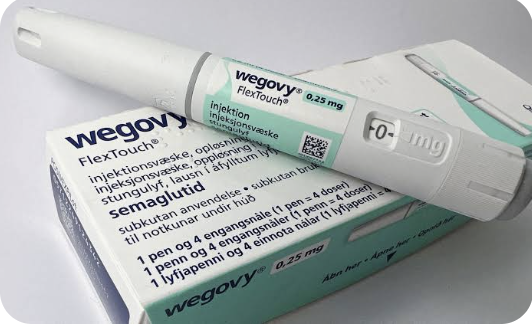
Wegovy®
For chronic weight management, the FDA-approved brand is Wegovy® (semaglutide). It is available in injectable and oral formulations. Ozempic® and Rybelsus® also contain semaglutide but are labeled for diabetes-related indications rather than being interchangeable weight-loss brands.
Semaglutide may help patients:
Feel full with less food
Remain satisfied longer after meals
Experience reduced hunger
Experience less food noise
Reduce calorie intake
Lose weight and maintain weight reduction
Wegovy is also FDA approved to reduce the risk of cardiovascular death, nonfatal heart attack, and nonfatal stroke in adults who have established cardiovascular disease and either overweight or obesity.
Certain Wegovy formulations are also approved for selected patients with noncirrhotic metabolic dysfunction-associated steatohepatitis, commonly called MASH.
These additional indications do not mean that every patient with overweight needs semaglutide. They may influence medication selection when the approved condition is also present.
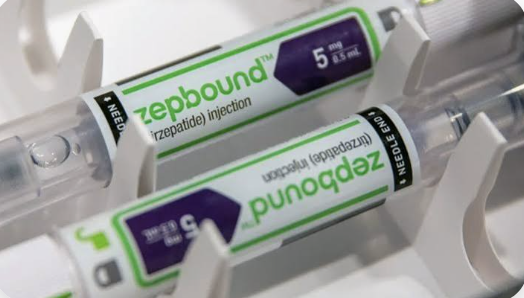
Zepbound®
Tirzepatide activates both GIP and GLP-1 receptors.
For chronic weight management, the FDA-approved brand is Zepbound®. Mounjaro® contains tirzepatide but is labeled for type 2 diabetes and should not be presented as the weight-management brand.
Tirzepatide may help by:
Reducing appetite
Increasing satiety
Reducing food intake
Supporting substantial weight loss
Improving selected metabolic measures
Zepbound is also FDA approved to treat moderate-to-severe obstructive sleep apnea in adults with obesity. In the supporting studies, weight reduction was accompanied by improvement in sleep-apnea severity. This does not mean Zepbound replaces positive-airway-pressure treatment or sleep-specialist care for every patient. The overall sleep-apnea plan should still be individualized.
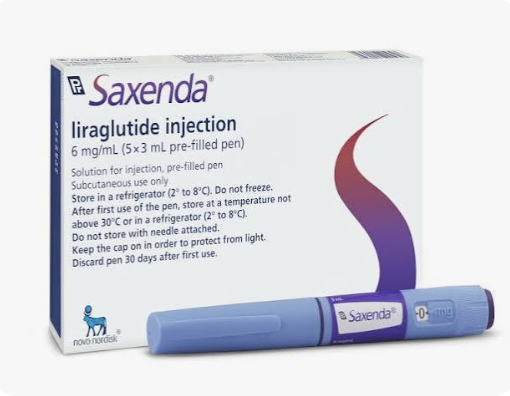
Saxenda®
Liraglutide is a GLP-1 receptor agonist administered as a daily injection.
For chronic weight management, the FDA-approved brand is Saxenda®.
Liraglutide is an older GLP-1 option and may still be considered when:
A daily medication is preferred
A patient has previously responded well
Another incretin medication is not available or tolerated
Insurance coverage favors it
The clinical history supports its use
Newer does not always mean better for every individual patient.
Foundayo™
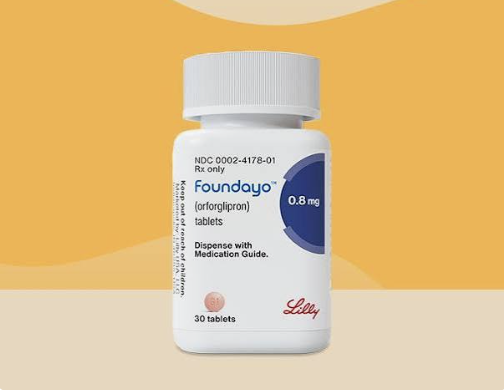
Orforglipron is an oral, nonpeptide GLP-1 receptor agonist marketed as Foundayo™.The FDA approved it in April 2026 for long-term weight reduction in adults with obesity or adults with overweight and at least one weight-related condition, in combination with a reduced-calorie eating plan and increased physical activity.
Unlike oral semaglutide, Foundayo may be taken once daily without specific food or water restrictions, according to its current prescribing information. Because it is a GLP-1 receptor agonist, it should not be combined with another medication from the same class unless a future product label specifically supports that combination.
As a newly approved medication, access, insurance coverage, and real-world experience may continue to evolve.
-
The most common effects are gastrointestinal.
They may include:
Nausea
Vomiting
Diarrhea
Constipation
Abdominal discomfort
Indigestion
Reflux
Bloating
Belching
Reduced appetite
Fatigue
Dizziness
These symptoms are often most noticeable when treatment begins or the dose increases.
A patient should not be expected to tolerate severe symptoms simply because the medication is producing weight loss.
The dose may need to be held, reduced, advanced more slowly, or discontinued.
-
Depending on the specific product, important warnings and considerations may include:
Pancreatitis
Gallbladder disease
Dehydration and kidney injury
Severe gastrointestinal symptoms
Low blood sugar when combined with selected diabetes medications
Worsening diabetic retinopathy in susceptible patients
Allergic reactions
Increased heart rate
Pregnancy-related risk
Suicidal thoughts or behavioral changes listed in selected product information
Delayed stomach emptying that may affect oral medication absorption or procedural planning
Individual product labels should guide treatment rather than assuming that every GLP-1 medication has identical instructions.
-
Thyroid C-Cell Tumor Warning
Semaglutide, tirzepatide, liraglutide, and orforglipron carry warnings related to thyroid C-cell tumors observed in rodents.
It is not known whether these medications cause medullary thyroid carcinoma in humans. They are generally contraindicated in patients with a personal or family history of medullary thyroid carcinoma or Multiple Endocrine Neoplasia syndrome type 2.
This is different from common thyroid conditions such as: Hypothyroidism, Hashimoto thyroiditis, Benign thyroid nodules, Prior thyroid surgery for a nonmedullary condition
Those concerns still require review but do not automatically represent the same contraindication.
Gastroparesis and Severe Gastrointestinal Disease
Incretin medications slow stomach emptying to varying degrees.
They may not be appropriate for patients with severe gastroparesis or significant gastrointestinal motility disorders.
Symptoms requiring careful evaluation may include: Persistent vomiting, Severe early fullness, Inability to maintain hydration, Food remaining in the stomach for prolonged periods, Severe abdominal distention, Significant unexplained abdominal pain
The medication should not be used to suppress eating when the patient is already unable to consume adequate nutrition.
Gallbladder and Pancreatic Concerns
Rapid weight loss itself may increase the the risk of gallstones. GLP-1 and related medications are also associated with gallbladder warnings.
Medication Should Match the Patient
Medication selection may depend on:
Appetite pattern
Medical conditions
Mental health
Reproductive health
Practical factors
Choosing the appropriate medication is individually based. This is not a one-size-fits-all treatment plan. There are also other classes of medications than the most talked about GLP-1 medications that may be appropriate.
Medication Can Change the Biology—But the Plan Builds the Future
Weight-management medication can reduce hunger, quiet food noise, improve fullness, and make meaningful weight loss possible for patients who have struggled against powerful biological signals. But medication alone does not build strength, ensure adequate nutrition, treat every emotional trigger, or create a maintenance plan.
Through The Look Deeper Method™, Dr. Eakin selects medication based on your health, symptoms, appetite pattern, risks, preferences, and goals. Treatment includes thoughtful dosing, side-effect management, nutritional support, body-composition monitoring, and planning for what happens after the active weight- loss phase.
The goal is not simply to prescribe an injection or pill. It is to use medication purposefully to improve health while helping you build results that are strong, sustainable, and connected to the life you want to live.
FREQUENTLY ASKED QUESTIONS
-
No.
Medication treats biological pathways involved in a chronic medical condition.
Using evidence-based treatment is not a failure of discipline.
-
No.
Several oral and injectable medications work through different mechanisms
-
Average clinical-trial results differ among medications, but the best choice depends on safety, diagnosis, tolerability, access, and individual response.
The medication with the highest average weight loss may be inappropriate for a particular patient.
-
Both contain semaglutide, but they have different labeled indications, doses, and product instructions.
Wegovy® is the semaglutide brand approved for chronic weight management.
-
Both contain tirzepatide.
Zepbound® is the brand approved for chronic weight management and for moderate-to-severe obstructive sleep apnea in adults with obesity.
-
Yes.
Oral Wegovy® contains semaglutide, and Foundayo™ contains orforglipron. Both have current FDA-approved weight-management indications in adults.
-
Some patients experience modest weight reduction, but metformin is not FDA approved as a primary obesity medication.
-
Current GLP-1 weight-management products generally should not be combined with another GLP-1 receptor agonist unless the applicable prescribing information specifically supports it.
-
No.
Compounded medication is not FDA approved and may differ in ingredients, concentration, quality controls, and labeling.
-
That has not been established.
B12 does not convert a compounded product into an FDA-approved medication or prove that it causes more weight loss.
-
Not necessarily, but many patients regain some weight after treatment stops.
The decision should be individualized and include a maintenance plan.
-
No weight-loss medication should be used to pursue weight loss during pregnancy.
Pregnancy plans should be discussed before treatment begins.
-
Some lean-tissue loss may occur with substantial weight loss.
Protein intake, resistance exercise, appropriate dosing, and body-composition monitoring are important.
-
Medication may reduce hunger or cravings, but it does not resolve trauma, relationship stress, learned
behaviors, or every emotional trigger.
Psychotherapy or eating-disorder care may still be necessary.
-
The dose may be adjusted, treatment may be stopped, or a different medication class may be considered.
GLP-1 therapy is not the only medical option.
-
Coverage varies considerably.
The treatment discussion may include approved oral alternatives, non-GLP-1 options, manufacturer programs, or a different care plan. Cost should be considered before beginning a treatment that may be difficult to sustain.
-
Weight loss often slows over time.
This may reflect expected biological adaptation rather than complete loss of effect. The plan should be reviewed before escalating or changing treatment.