

Emsculpt Neo® Support
Supporting Muscle During and After Weight Loss
Weight loss can improve metabolic health and reduce excess body fat, but it may also be accompanied by a reduction in lean muscle—particularly when resistance training, nutrition, and protein intake are not adequately supported.
EMSCULPT NEO® Weight-Loss Support
Preserve Muscle. Reduce Abdominal Fat. Strengthen the Foundation of Your Results.
Weight loss is about more than becoming smaller.
The quality of your results also depends on what type of weight you lose. Ideally, a weight-management plan reduces excess body fat while preserving the muscle that supports strength, movement, metabolism, posture, and healthy aging.
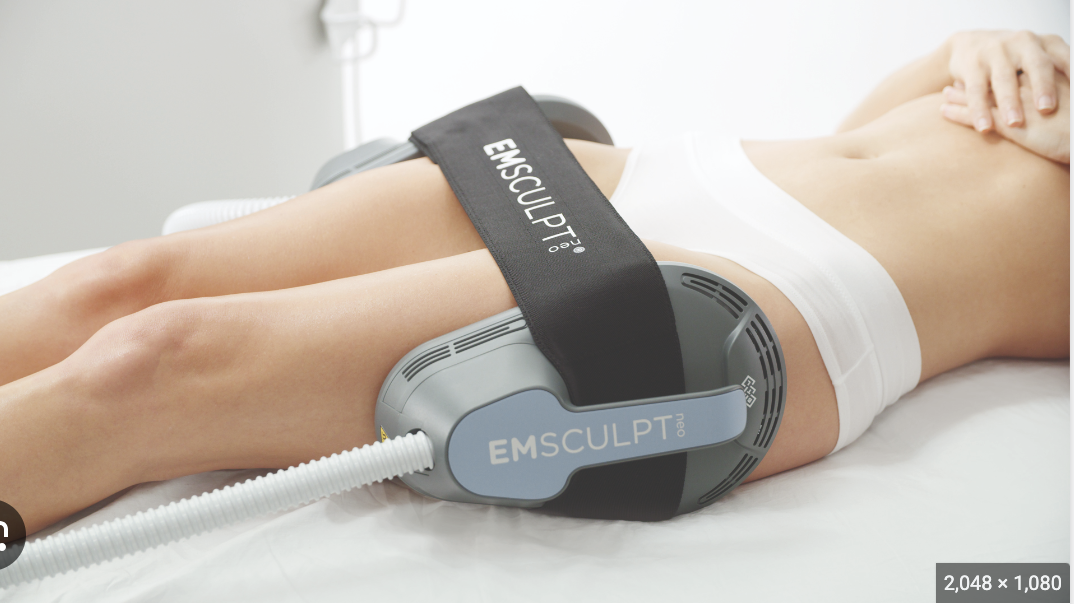
EMSCULPT NEO® is a noninvasive treatment that combines powerful muscle stimulation with radiofrequency energy. When incorporated into a physician-directed weight-management program, it may help strengthen targeted muscles, reduce localized abdominal fat, and improve body contour as your weight changes.
Why Muscle Matters During Weight Loss
When the body loses a significant amount of weight, not all of that loss comes from fat. Some lean tissue may also be lost.
For example, a body-composition substudy of the SURMOUNT-1 tirzepatide trial found that approximately 75% of the weight lost was fat mass and approximately 25% was lean mass. The exact proportion differs among individuals, but this illustrates why muscle support deserves attention during medical weight loss.
Muscle plays an important role in:
Strength and physical function
Balance and stability
Healthy aging and independence
Posture and core support
Glucose utilization
Maintaining a stronger, firmer body contour
Supporting weight maintenance after weight loss
The goal is not simply to reach a lower number on the scale. It is to arrive there with a body that remains strong and functional.
How EMSCULPT NEO® Supports Your Weight-Loss Plan
EMSCULPT NEO® combines two technologies during the same treatment.
HIFEM+® Muscle Stimulation
High-intensity focused electromagnetic energy produces repeated contractions throughout the targeted muscle group.
These contractions activate muscle fibers at an intensity and frequency that cannot be sustained voluntarily. The muscle responds by adapting and remodeling, which may improve muscle tone, thickness, firmness, and activation.
Synchronized Radiofrequency
Radiofrequency energy heats the targeted tissue while the muscles contract.
The controlled heat supports noninvasive lipolysis—the breakdown of fat—in the treatment area. The FDA-cleared indications include noninvasive abdominal fat breakdown and reduction in abdominal circumference.
Together, these technologies allow us to address muscle and localized fat during the same session.
The Three Components We Consider
1. Muscle: Supporting Strength While the Body Changes
Weight loss can reveal areas where muscle tone has declined or where weakness was previously less noticeable.
This may be especially relevant for patients who:
Are losing weight rapidly
Have been sedentary or deconditioned
Have difficulty initiating resistance exercise
Notice reduced core strength
Want to preserve a firmer body shape
Are entering midlife, when muscle preservation becomes increasingly important
Are using a GLP-1–based medication as part of their medical plan
EMSCULPT NEO® may help activate and condition selected muscle groups, particularly the abdominal muscles. It should be viewed as adjunctive support, not as a substitute for resistance training, adequate protein, regular movement, sleep, and recovery.
2. Subcutaneous Fat: Addressing the Fat Beneath the Skin
Subcutaneous fat is the soft, pinchable fat located directly beneath the skin.
EMSCULPT NEO®’s radiofrequency energy is designed to heat and reduce localized fat in the treatment area while the electromagnetic energy stimulates the underlying muscles.
This treatment may be helpful for patients who have:
Localized abdominal fullness
Improved their weight but still notice a resistant area
Lost weight but feel that the abdomen lacks firmness
A combination of reduced muscle tone and remaining subcutaneous fat
Reached a plateau in visible body-contour change
3. Visceral Fat: Understanding the Deeper Concern
Visceral fat is located deeper within the abdominal cavity around the internal organs. Unlike the pinchable fat beneath the skin, it cannot be directly grasped from the outside.
Excess visceral fat is associated with insulin resistance and increased cardiometabolic risk. Overall weight reduction, physical activity, nutrition, sleep, and appropriate medical treatment remain the primary strategies for reducing it.
What Does the Research Say About EMSCULPT NEO® and Visceral Fat?
Emerging research has explored whether the intense metabolic demand created by abdominal muscle contractions may also influence visceral fat.
A retrospective analysis evaluated MRI scans from 40 adults who received three abdominal HIFEM and radiofrequency treatments. The investigators reported an average 17.8% reduction in measured visceral-fat area at three months, with the change maintained at six months.
EMSCULPT NEO® Is an Adjunct—not the Weight-Loss Plan
EMSCULPT NEO® does not control appetite, correct insulin resistance, replace nutrition, or produce substantial whole-body weight reduction.
It may complement a comprehensive program that includes:
Physician-directed weight management
Anti-obesity medication when medically appropriate
Protein and nutrition guidance
Resistance and cardiovascular exercise
Sleep and stress support
Hormonal and metabolic evaluation
Body-composition monitoring
A long-term weight-maintenance strategy
The treatment supports one part of the process: helping selected muscles become stronger and improving localized body composition while the larger medical and lifestyle plan addresses overall weight and metabolic health.
EMSCULPT NEO® and GLP-1–Supported Weight Loss
Medications such as semaglutide and tirzepatide can produce meaningful reductions in body weight, but body-composition studies show that both fat mass and lean mass may decrease during treatment.
For patients using a GLP-1–based medication, the broader muscle-preservation strategy may include:
Adequate dietary protein
Progressive resistance exercise
Avoiding unnecessarily rapid weight loss
Monitoring strength and function
Supporting hydration and nutrition
Reviewing body composition over time
EMSCULPT NEO® for selected muscle groups when appropriate
Who May Benefit?
EMSCULPT NEO® Weight-Loss Support may be considered for patients who:
Are participating in a physician-directed weight-management program
Are losing weight with lifestyle treatment, medication, or both
Want to preserve or improve abdominal muscle tone
Feel weaker or less conditioned after weight loss
Have localized abdominal fat despite overall progress
Want to improve the firmness and shape of the midsection
Are preparing to transition from active weight loss to maintenance
Understand that the treatment complements—not replaces—exercise and nutrition
Treatment may be started during active weight loss or after weight has begun to stabilize, depending on the rate of weight change, nutritional status, medical history, and goals.
Your Personalized Weight-Loss Support Plan
Before recommending treatment, Dr. Eakin may evaluate:
Your weight-loss history and current rate of change
Medications used for weight management
Protein and overall nutritional intake
Current activity and resistance-training routine
Muscle tone, strength, and symmetry
Abdominal fat distribution
Skin laxity
Menopausal and hormonal changes
Insulin resistance and metabolic health
Previous surgery, injury, hernia, or abdominal-wall concerns
Implanted medical devices or metal
Your goals beyond the number on the scale
Your plan may also include Styku® body scanning or other measurements to help evaluate changes in shape and body composition over time.
-
The applicators are secured over the abdomen while you rest on the treatment table.
During the session, you will feel:
Gradually increasing warmth
Strong, rhythmic abdominal contractions
Periods of rapid muscle activation
Tapping or vibration-like sensations
Brief recovery phases between contraction cycles
The intensity is increased gradually according to your comfort and muscle response.
A typical session lasts approximately 30 minutes. The usual introductory plan includes four sessions, commonly scheduled five to ten days apart. There is generally no planned downtime.
-
Some patients notice improved muscle engagement or a firmer feeling during the treatment series.
Visible changes in contour develop more gradually as:
The muscles adapt
Inflammation settles
The body processes affected fat cells
Overall weight loss continues
Exercise and nutrition support the treatment
Results are commonly evaluated several weeks to a few months after the introductory series.
Scale weight may not change because EMSCULPT NEO® is not intended to create substantial overall weight loss. Standardized photographs, measurements, strength, body composition, and clothing fit may provide more useful information.
-
Muscle must continue to be used to remain strong.
The best long-term results are supported by:
Resistance training
Regular daily movement
Adequate protein and nutrition
Stable or intentionally managed weight
Good sleep and recovery
Ongoing metabolic-health care
Periodic maintenance treatment when appropriate
EMSCULPT NEO® can support the foundation, but your daily habits help maintain it.
Lose Weight With a Plan to Remain Strong
The best weight-loss result is not simply a lower number.
It is less excess fat, preserved strength, better function, improved metabolic health, and a body that feels capable of supporting the life you want to live.
EMSCULPT NEO® may provide targeted muscle and body-composition support as one part of that larger physician-directed plan.
FREQUENTLY ASKED QUESTIONS
-
EMSCULPT NEO® is not a weight-loss treatment and is not expected to produce a substantial change on the scale.
It is intended to strengthen and tone selected muscles while reducing localized fat in approved treatment areas.
-
It may help strengthen and condition the muscles being treated, but it cannot guarantee preservation of all lean mass throughout the body.
Protein intake, resistance exercise, appropriate medication dosing, nutritional adequacy, and the pace of weight loss remain central to muscle preservation.
-
A small retrospective MRI analysis reported reduced visceral-fat measurements after abdominal HIFEM and radiofrequency treatment. However, this remains preliminary evidence, and visceral-fat reduction is not an FDA-cleared indication.
EMSCULPT NEO should not replace established medical and lifestyle strategies for reducing visceral fat and cardiometabolic risk.
-
The radiofrequency component is FDA cleared for noninvasive breakdown of abdominal fat and reduction in abdominal circumference. Individual results vary, and it is intended for localized contouring rather than large-volume fat loss
-
No.
The treatment activates selected muscles, but it does not provide the whole-body benefits of resistance exercise, including functional movement, balance, joint loading, bone support, coordination, and cardiovascular conditioning.
-
The best timing depends on your rate of weight loss, current nutrition, muscle condition, treatment goals, and medical history.
Some patients begin during active weight loss to support muscle engagement. Others start as their weight stabilizes and they want to improve strength and contour.
-
The standard introductory plan commonly includes four 30-minute sessions scheduled approximately five to ten days apart. Additional or maintenance treatments may be recommended according to your response
-
Treatment may not be appropriate during pregnancy or for patients with certain electronic or metal implants, medication pumps, significant abdominal-wall conditions, active infection, impaired heat sensation, or other contraindications.
A full medical and device-safety screening is completed before treatment begins.