
The Nervous System’s Role in Beauty and Aging
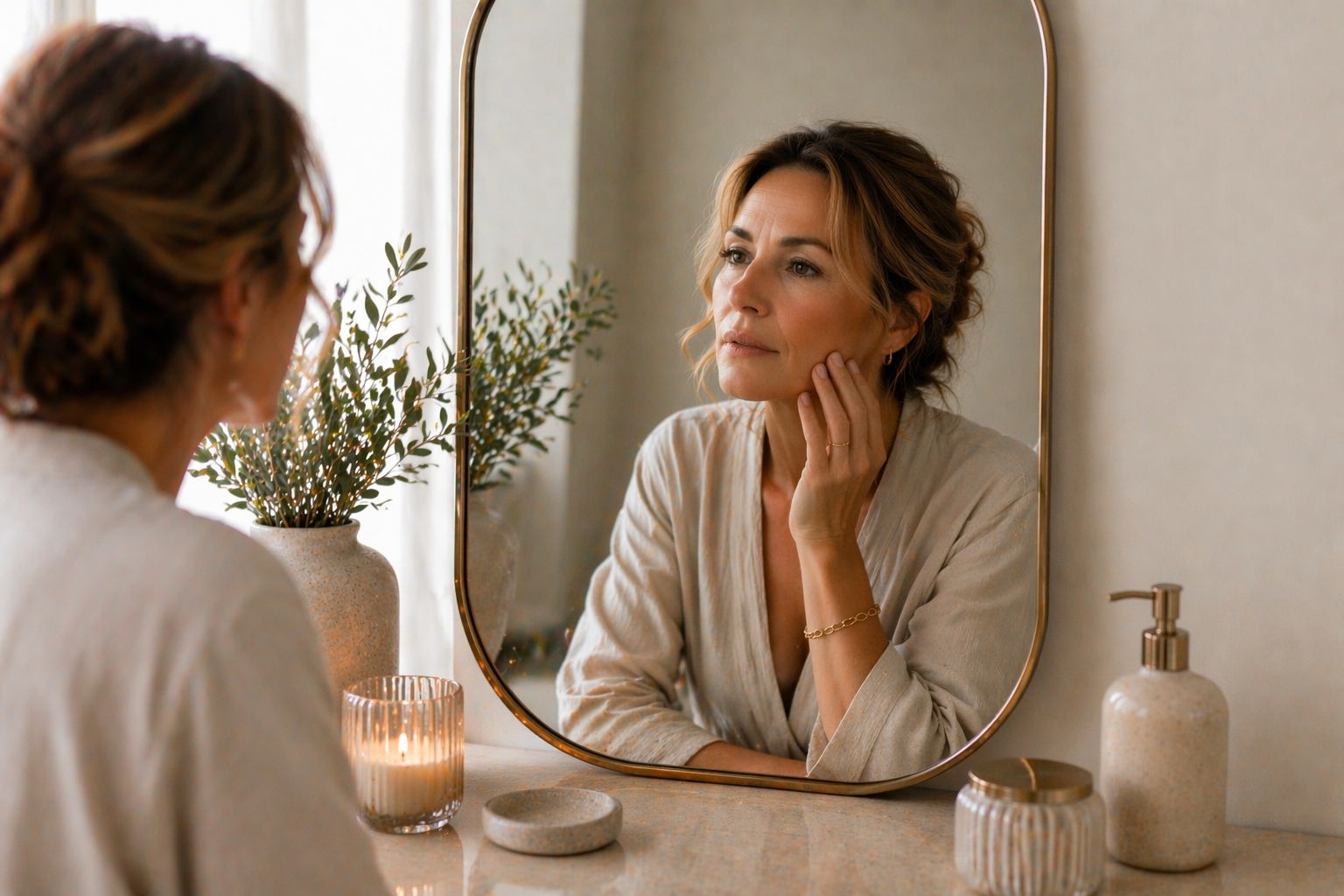
Why calm may be one of the most powerful beauty tools we overlook
When we think about beauty and aging, most people think first of skincare, treatments, collagen, hormones, or nutrition. And while all of those matter, there is another system quietly influencing how we look and how we age — often more than we realize.
The nervous system.
It may not be the first thing that comes to mind in a beauty conversation, but perhaps it should be. The state of your nervous system affects inflammation, sleep, hormone balance, facial tension, skin quality, energy, and the way your body responds to stress over time. In many ways, it shapes not only how you feel, but how that feeling is reflected outward.
Because beauty is not just about what is happening on the surface.
It is also about the internal environment in which the body is trying to function, repair, and thrive.
Beauty Is Not Separate from Stress
The nervous system is the body’s communication and regulation hub. It helps determine whether the body feels safe, supported, and able to rest — or whether it remains in a heightened state of alert.
When we are under chronic stress, the body often shifts into survival mode. Cortisol rises. Inflammation increases. Sleep becomes more fragile. Digestion may suffer. Hormonal rhythms can become disrupted. Over time, this can affect nearly every visible marker of wellness and beauty.
The skin may become duller, more reactive, or more inflamed.
Breakouts may worsen.
Hair may thin or shed more easily.
The face may hold more tension.
The body may feel more puffy, tired, or resistant to the healthy habits that once worked.
In this way, chronic nervous system dysregulation can quietly accelerate the very things many women are trying to improve.
The Face Often Reflects the State of the System
One of the most fascinating things about the nervous system is how visibly it can show up in the face.
When the body is chronically stressed, facial muscles tend to hold more tension. The jaw clenches. The brow tightens. The eyes may appear more tired. Sleep quality may decline, leading to puffiness, dark circles, and a loss of brightness. Even posture and expression begin to change.
This is not simply about emotion. It is physiology.
A dysregulated nervous system can create the kind of wear that no product alone can fully soften. It can influence circulation, repair, muscle tension, inflammation, and the body’s ability to recover. Over time, that internal strain can be reflected in the face as fatigue, tightness, dullness, and a more depleted appearance.
On the other hand, when the nervous system is supported, the face often softens. The skin may look clearer. The eyes brighter. The features more open and relaxed. There is often a difference that is difficult to name but easy to recognize: a person looks more at ease.
And ease, perhaps, is one of the most underrated beauty qualities of all.
Stress, Cortisol, and Accelerated Aging
Stress is often normalized, even glamorized, but the body does not experience chronic stress as harmless. It experiences it as a threat.
When cortisol remains elevated over time, the body begins to shift resources away from repair and toward short-term survival. This can affect collagen production, blood sugar balance, sleep, inflammation, and hormone function — all of which influence how we age.
Skin may heal less efficiently.
Inflammation may increase.
Blood sugar swings may contribute to breakouts and collagen damage.
Sleep disruption may prevent the overnight restoration that supports skin, mood, and energy.
This is one reason some people feel they are doing everything “right” — using quality skincare, eating well, investing in treatments — yet still looking tired or aging faster than expected. The missing piece may not be more effort. It may be more regulation.
The Nervous System and Hormonal Beauty
The nervous system and the hormonal system are deeply connected.
When the body remains under prolonged stress, it can affect progesterone, cortisol, thyroid function, insulin balance, and even sex hormones like estrogen and testosterone. These hormonal changes then show up in the skin, hair, body composition, mood, and energy.
This is why nervous system support is not separate from hormonal health. It is often part of it.
If a patient is struggling with poor sleep, anxiety, facial tension, fatigue, inflammation, or feeling unlike herself, the answer may not lie in aesthetics alone. Nor may it lie in hormones alone. Very often, the body is asking for a more integrated approach — one that recognizes the relationship between stress, regulation, beauty, and aging.
Calm Is a Beauty Strategy
There is a growing understanding in wellness and aesthetic medicine that beauty outcomes improve when the body is more regulated.
This does not mean stress must be eliminated entirely. That is not realistic. But it does mean that actively supporting the nervous system may be one of the most effective and sustainable beauty strategies available.
That support might look like:
deeper, more restorative sleep
breathwork or meditation
reducing overstimulation and constant demands
spending time outdoors
strength training balanced with recovery
massage, acupuncture, or other restorative therapies
addressing chronic anxiety or burnout
using mind-body tools that help the nervous system move out of survival mode
At [Your Clinic Name], this is part of why we believe beauty and wellness should never be treated as separate conversations. A calmer nervous system often supports better skin, better sleep, more hormonal balance, improved resilience, and a more vibrant overall appearance.
Aging Well Requires More Than Surface-Level Care
If the goal is to age well rather than simply chase youth, the nervous system deserves a place in the conversation.
Aging beautifully is not just about preserving collagen or softening lines. It is also about supporting the systems that influence how the body repairs, rests, and responds to life. It is about recognizing that radiance is not created by surface correction alone. It is often created by internal balance.
This is where a more holistic view of beauty becomes powerful.
The person who looks most well is often not the person doing the most.
It is often the person whose body feels supported.
Whose sleep is deeper.
Whose hormones are more balanced.
Whose stress is being carried differently.
Whose nervous system is not constantly in a state of depletion.
That kind of beauty is not forced. It is felt.
Final Thoughts
The nervous system plays a much greater role in beauty and aging than most people realize.
It influences the skin, the face, the hormones, the quality of sleep, the level of inflammation, and the body’s ability to repair and recover over time. When it is chronically overwhelmed, the effects often show up in the mirror. When it is supported, the body tends to respond in ways that feel visible, meaningful, and deeply restorative.
Perhaps one of the most sophisticated beauty strategies is not simply adding more.
Perhaps it is creating the conditions in which the body can soften, regulate, and heal.
Because beauty is not only about what we apply.
It is also about what we allow the body to feel.
And sometimes, calm is the most powerful aesthetic support of all.
If you are ready for a more holistic approach to beauty—one that supports your skin, hormones, stress response, and long-term vitality—our team is here to help you create a personalized plan.